by

Lightbringers of the North: Secrets of the Occult Tradition – Perttu Häkkinen & Vesa Iitti

No comments yet

Categories: esotericism, hermeticism, paganism, satanism, Tags:

Lightbringers of the North coverIt often seems that the field of occult publishing is a perpetual recycling station, producing a supererogatory glut of books that wander down far too well-trodden paths and offer little that is new. How many books have been written in recent years that give the same basic overviews of the runes, Western magic, or witchcraft, differing little from the ur-texts first published decades ago? It is a genuine joy, then, to come across Perttu Häkkinen and Vesa Iitti’s Lightbringers of the North, which in its 400 or so pages provides a thorough history of the occult traditions of Finland from the late 19th century to the present day. This is a veritable unexplored land from the limited perspective of Anglo-centric occultism, and seems even more unfamiliar than that of its Scandinavian neighbours.

Originally released in Finnish in 2015 as Valonkantajat: Välähdyksiä Suomalaisesta Salatieteestä, this 2022 edition from Inner Traditions is its first appearance in English. Perttu Häkkinen and Vesa Iitti have backgrounds in academia, with respective master’s degrees in philosophy and comparative religion, as well as, fun fact, a past in music, with the now-deceased Häkkinen having been one-half of the electro duo Imatran Voima, whilst Iitti is a former member of the grindcore band Repulse and its later incarnation, Xysma. The more you know.

As something of a serious study, things start a little dryly with perhaps the least glamourous of occult streams, Theosophy, in connection with the father of esotericism in Finland, Pekka Ervast, a founding member of the Theosophical Library of Helsinki, serving as the General Secretary of the Finnish Theosophical Society from 1907–1917 and 1918–1919, before creating his own Rosicrucian order, the Ruusu-Risti, in 1920. The second chapter follows a similar path, and the familiar esoteric figure in this instance is Georgij Gurdjieff who had an outré influence on Finnish esotericism, inspiring individuals and groups since at least the late 1960s. Karatas-kirjat began the publication of translations of works by him and his pupils in 1969, and the similarly-named Karatas society formed in 1979 to disseminate his and J.G. Bennett’s ideas.

Lightbringers of the North spread

It’s not all hoary old-head occultism here, and Häkkinen and Iitti do not shy away from the more lurid and scandalous side of sortilege. The first of these, The Hand in the Spring: The Mystery of Tattarisuo, documents the grisly incident from the 1930s in which human remains were found deposited in a spring in the rural outskirts of Helsinki. The remains had been collected by a small black magic group from graves in the Malmi Cemetery and used in ceremonies intended to contact spirits.

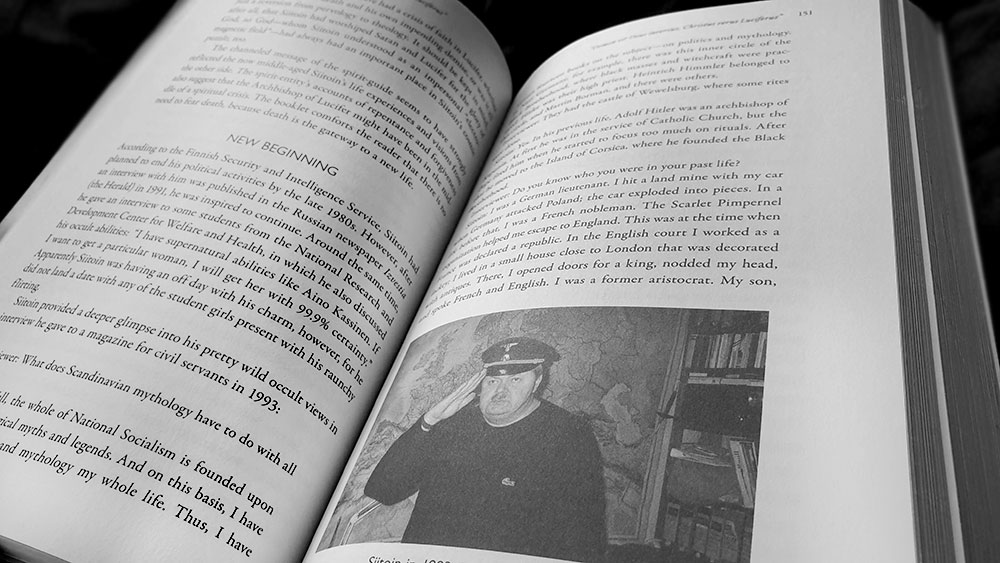
Speaking of scandalous, the book’s longest entry is dedicated to the neo-Nazi and Satanist Pekka Siitoin, grandly referred to here as the Archbishop of Lucifer. Like the Tattarisuo case, this represents a grottier side to occultism, with Siitoin appearing as an unappealing and unsympathetic 1970s edgelord whose base embrace of transgressive politics and esotericism was seemingly in lieu of having any intellect or class. This distain is engendered and exacerbated by the interminable 63 pages that are spent on him, exhaustively documenting someone who simply sounds intolerable. Plus, with his portly figure and rotund face, he looks eerily like Benny Hill, and when he is seen raising his arm to give the Hitlergruß he seems to embody Hill’s character Fred Scuttle giving an adorable forehead-pressing salute, rather than some Führer of Finland or Archbishop of Lucifer.
Lightbringers of the North spread

Siitoin’s association with nationalism allows Häkkinen and Iitti to take a slight diversion from these chronologically-ordered individual case studies and dedicate a chapter to the broader connections between Occultism and Finnish Nationalism. This showcases a range of figures, each a little bit nutty, including the artist, pseudo-linguist and, erm, ‘Fenno-Egyptologist’ Sigurd Wettenhovi-Aspa (who believed that Finnish was the world’s proto-language and that Finns came from Ancient Egypt). Then there’s the writer Esko Jalkanen (who gave the Finns an Atlantean origin), anthropologist and Ahnenerbe-member Yrjö von Grönhagen (who, we learn, once washed Karl Maria Willigut’s back with a magical stone from Karelian seer Pekko Shemeika), and Siitoin associate Väinö Kuisma (who blended Finnish mythology with Esoteric Nazism and Evolian magical fascism, and notoriously features in the 1994 documentary Sieg Heil Suomi).
Lightbringers of the North spread

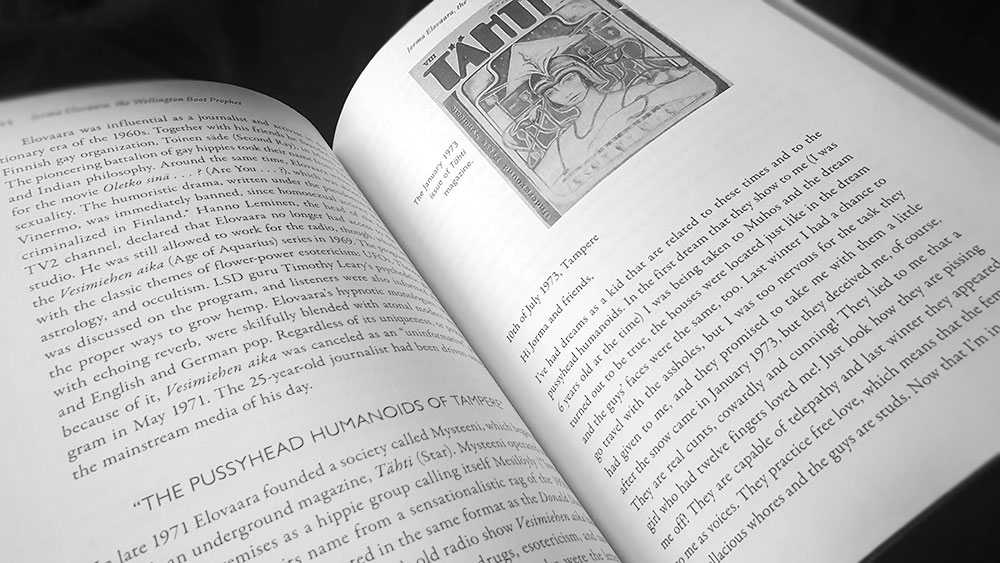
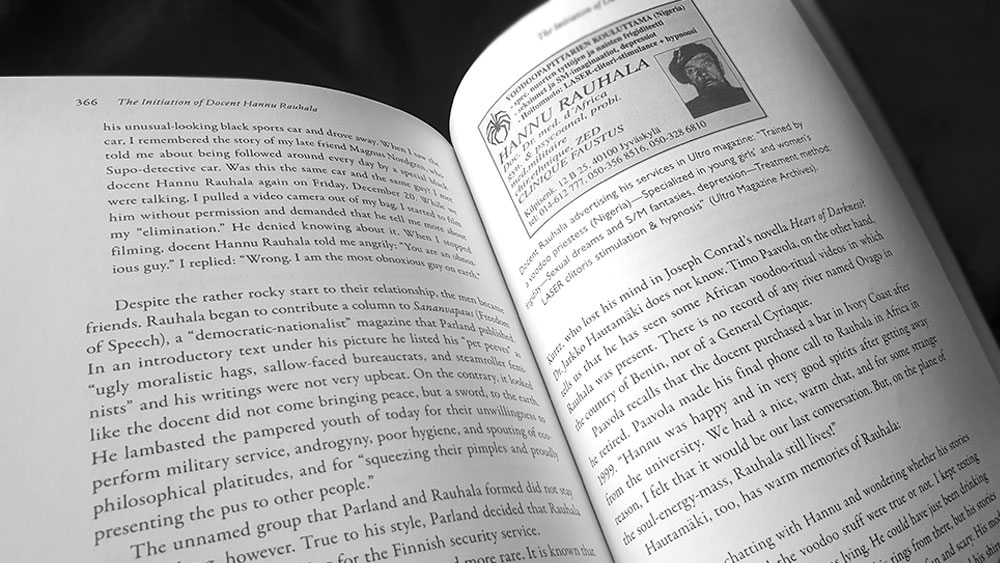
Strange and singular individuals are very much a currency throughout Lightbringers of the North, with chapter after chapter dedicated to odd men with equally odd ideas, each given an endearing or enigmatic sobriquet by the authors. There’s Jorma Elovaara, referred to as the Wellington Boot Prophet, who was the publisher of Tähti magazine and a significant counter cultural figure intersecting experimental music and art with Ufology, gay rights and esotericism. Then there’s Kauko Nieminen, the Santa Claus of Kulosaari, a self-taught physicist with all the scientific credibility engendered by that job tile, whose grand theories about ether vortices recalls speculative science several centuries older than him (and yes, he self-published his poorly reproduced works and sold them on the street, as is tradition). Not beating the weirdo allegations, we can’t forget Docent Hannu Rauhala, who claimed to have been initiated into voodoo in Nigeria and who offered his services in curing young women of their frigidity; and who in photos looks like a mercenary or Eugène Terre’Blanche.
Lightbringers of the North spread

One of the most interesting of these biographical subjects is Ior Bock, whom Häkkinen and Iitti delightfully refer to as the Sperm Magician of Gumbostrand, and the only participant in this parade of odd fellows that this reviewer was previously aware of. Rivalling Bock’s magnificent title as the Sperm Magician of Gumbostrand is the Sex Magick Soldier of Turku, known variously as dhLin gHa-Rej or Aswa Haidar el-Hayyat, or simply Reima Saarinen to his mum and dad.

As the narrative moves into more recent times, author, musician and former Setian Tapio Kotkavuori gets pretty much a whole chapter to himself. As the most prominent Finnish member of the Temple of Set, this makes sense, and Häkkinen and Iitti provide a brisk biography, charting Kotkavuori’s early formation of the Kalevala Pylon, his rise through the Setian ranks, followed by a temporary relocation to the United States and the eventual departure from the temple. It concludes with his death, or at least the death of the name Tapio Kotkavuori (suitably eulogised in a newspaper obituary in order to make it official) as the occultist formerly known as Tapio went on to new things. Other than Kotkavuori, Häkkinen and Iitti’s take on modern Finnish esotericism is pretty brief, with far too short sections on the Star of Azazel and other smaller Satanic groups, and no mention of a publisher like Ixaxaar.

The definition of occult within Lightbringers of the North is fairly broad and it is not, regrettably, all sperm magicians and sex magic soldiers, with Häkkinen and Iitti covering more Fortean paranormal pursuits as well, such as ufology, parapsychology, hypnosis and the psychic Aino Kassinen. One’s mileage may vary with regard to the appeal of such topics, but for this reviewer, they elicit a weary ‘pass.’ Throughout the book there is a palpable mix of writing styles, perhaps reflecting entries written solely by either Häkkinen or Iitti. The chapter The Clairvoyant of the Nation, with its biography of the aforementioned psychic Aino Kassinen, feels markedly different in tone to what precedes it, with a hint of a naïve school report or a first attempt at a marketing profile piece.

In all, this makes for a valuable work, providing important insight into magic beyond the Anglo-centric myopia of the United Kingdom and the United States. Lightbringers of the North has been formatted with layout by Virginia Scott Bowman and text design from by Debbie Glogover, using Garamond for the body face with Espiritu and Gill Sans as display faces.

Published by Inner Traditions
by

The Dionysian Mystical Theology – Paul Rorem

No comments yet

Categories: esotericism, hellenic, religion

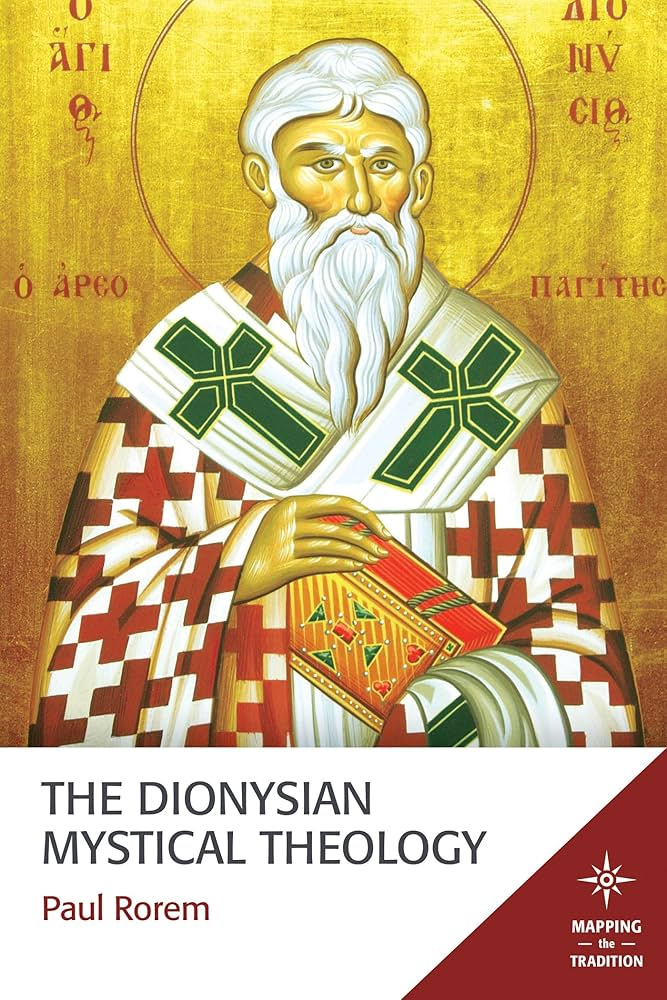
The Dionysian Mystical Theology coverPaul Rorem is the series editor for Fortress Press’s Mapping the Tradition, a collection of compact guides to pivotal thinkers in Christian history, divided into eras of Early Christianity, Medieval, Reformation, Early Modern and Modern. Part of the Early Christianity grouping alongside works on Irenaeus of Lyon, Athanasius and John of Damascus. The Dionysian Mystical Theology is Rorem’s contribution to the series, providing an overview of Pseudo-Dionysius the Areopagite and his apophatic mysticism.

The unknown author referred to as Pseudo-Dionysius was a late fifth and early sixth century CE theologian who wrote under the guise of the first century CE St. Dionysius the Areopagite, a member of the Athenian judicial council whose conversion to Christianity by St. Paul is described in the Acts of the Apostles. Rorem draws attention to the events surrounding this conversion, and how it was initiated by Paul’s sermon in which he remarked on an Athenian statue dedicated to the Unknown God, effectively identifying this Agnostos Theos with his god, whose name was forbidden to be said. Centuries later, this story provided a fitting hook, as Rorem terms it, for the adopted name of the author and its intersection of themes around Neoplatonist ideas of divine knowability and unknowability.

Rorem divides his book into two parts, first providing an overview of Pseudo-Dionysius’s cosmology and apophatic theology using the Areopagite’s own miniature essay, The Mystical Theology, progressing through each statement with commentary. The Mystical Theology is very much a condensing of the ideas in Dionysius’s longer works, and is used here as a particularly good example of his incorporation of negations in an apophatic theology that recognizes the transcendence of God beyond human words and concepts, seeing God in the absence and darkness. Each of the three chapters of The Mystical Theology are analysed section by section with extensive notations.

In the second part of this book, Stages of Dionysian Reception and Interpretation, Rorem turns to discussing how Dionysian thought has been received and interpreted by theologians and church historians, compiling four previously published essays. As this body of work would suggest, this is not Rorem’s first Pseudo-Dionysian rodeo, having, in addition to such essays, written a significant commentary on the corpus, published by Oxford University Press in 1993, and with John C. Lamoreaux translating the Dionysian scolia of John of Scythopolis, also published by OUP under the Clarendon Press imprint as part of their Oxford Early Christian Studies series. Prior to that, in 1980, a sprightly Rorem completed his doctoral dissertation on the Pseudo-Dionysian Synthesis, which was then published in 1984 as the book Biblical and Liturgical Symbols within the Pseudo Dionysian Synthesis by the Pontifical Institute of Mediaeval Studies at the University of Toronto.

In the first of these essays, The Doctrinal Concerns of the First Dionysian Scholiast, originally published by Études Augustiniennes in their 1997 Denys l’Aréopagite et sa postérité en Orient et en Occident, Rorem begins with the Byzantine theologian, lawyer and bishop John of Scythopolis whose most significant contribution to early theology was the penning of several works, now lost, in opposition to the Monophysite heresy. Bishop John, writing a mere generation after Pseudo-Dionysius, composed an extensive set of scholia to his predecessor’s works, prefaced by a long prologue in which he set out his reasons for commenting on the corpus, principally as a defence against the Apollinarism and Eutychianism forms of Monophysitism. Using minute points of grammar, vocabulary, and biblical sources in his comments on the Dionysian corpus, John affirms that Christ assumed an earthly body and a rational soul, against Apollinaris and other Monophysites, and that final salvation is of the soul and the body.

The second chapter, The Early Latin Dionysius: Eriugena and Hugh of St. Victor, was originally published under a slightly different title in Modern Theology (2008) and also a year later in Wiley-Blackwell’s anthology Re-thinking Dionysius the Areopagite. Here Rorem considers the exposition and appropriation of Pseudo-Dionysius’s work in ninth and twelfth century Western Europe, where the Areopagite was conflated with a third century local saint, the cephalophoric St Denis of Paris. For those looking for responses to apophatic theology, there’s little here, with Pseudo-Dionysius instead being called upon for his role as a, as Hugh describes him, “theologian and describer of the hierarchies,” with few traces of Dionysian influence being found in his work.

In Martin Luther’s Christocentric Critique of Pseudo-Dionysian Spirituality, previously published in Lutheran Quarterly 11 (Autumn, 1997), Rorem very much enters his Lutheran wheelhouse, turning to the theologian who dismissively referred to “Dionysius ille, quisquis fuerit” (‘that Dionysius, whoever he was’), describing him as pernitiosissimus (‘most pernicious’). The practical Luther was dismissive of Pseudo-Dionysius’s idle speculation about celestial hierarchies, calling his “hodge-podge about angels” dangerous and accusing him of being more a Platonist than a Christian; not an unfair assessment, if a little mean. The same was true of Luther’s approach to apophatic theology, countering the Areopagite’s vision of the darkness of God with an incarnational theology of the cross in which God is hidden, concealed in the darkness of humanity, where he could not be seen but only heard.

Finally, in Negative Theologies and the Cross, Rorem delineates the intellectual legacy of apophatic thinking, dividing it into a triad of streams: the progressive apophatic, the complete apophatic, and the incarnational apophatic. First published in Harvard Theological Review 101 in 2008, and then reprinted a year later in Lutheran Quarterly, this expands on the previous chapter, comparing Luther’s interpretation to others which centre Christ, the incarnation, and the cross. The progressive apophatic is based on Exodus 33, with its imagery of Moses ever advancing morally and spiritually by following the hidden God in everlasting time, with negations lead to more negations. The complete apophatic understands Sinai’s darkness of unknowing as a mystical union with God in ecstatic eternity, with negations leading to a union with God. Finally, the incarnational apophatic explicitly turns from such Sinaic darkness, following John 1 and Philippians 2, to the incarnation and cross of Christ in salvation history.

Due to the nature of the format as a compact overview, with a page count of a mere 141 pages, there’s a feeling that Rorem races along, never dwelling on anything for too long, brevity trumping considered reflection. While he is a largely impartial presenter, it is clear that Rorem favours incarnation over negation, and there are multiple moments in which he comes across as flabbergasted with Pseudo-Dionysius’s apodictic embrace of the apophatic, palpably telling him off back down through the centuries. Despite having written so extensively on Pseudo-Dionysius throughout his career, there is no sense of Rorem merely regurgitating what he’s previously written and augmenting it with a couple of editing changes. Even the straight-up textual analysis of the corpus in the first half of this book, which clearly mirrors, by its very nature, some of the content in his 1993 A Commentary On The Texts And An Introduction To Their Influences, by no means feels beholden to that ur-text. There are some limitations in the consideration of the broader influence of Pseudo-Dionysius’ apophaticism, borne out Rorem’s status as a Lutheran theologian, where the historical trail ends with Luther and the strain of negative theology within Dominican mysticism. In his closing sentence, Rorem underscores what might have been, bowing out and leaving more suitable others to consider what modern and postmodern minds make of Dionysian apophaticism. He does give a few suggestions, referring to philosophers such as Emmanuel Levinas and Jacques Derrida, as well as from the theological side of the aisle, Swiss theologian Hans Urs von Balthasar.

Published by Fortress Press

by

Drawing Spirit: The Role of Images and Design in the Magical Practice of Late Antiquity – Edited by Jay Johnston and Iain Gardner

No comments yet

Categories: classical, egyptian, hellenic, Tags:

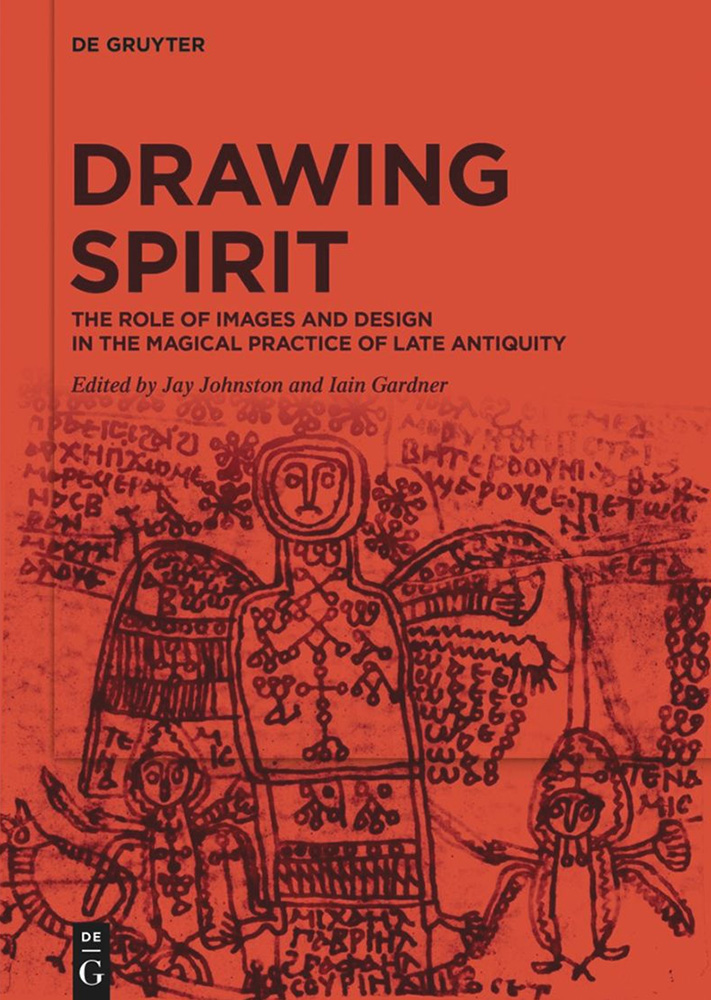
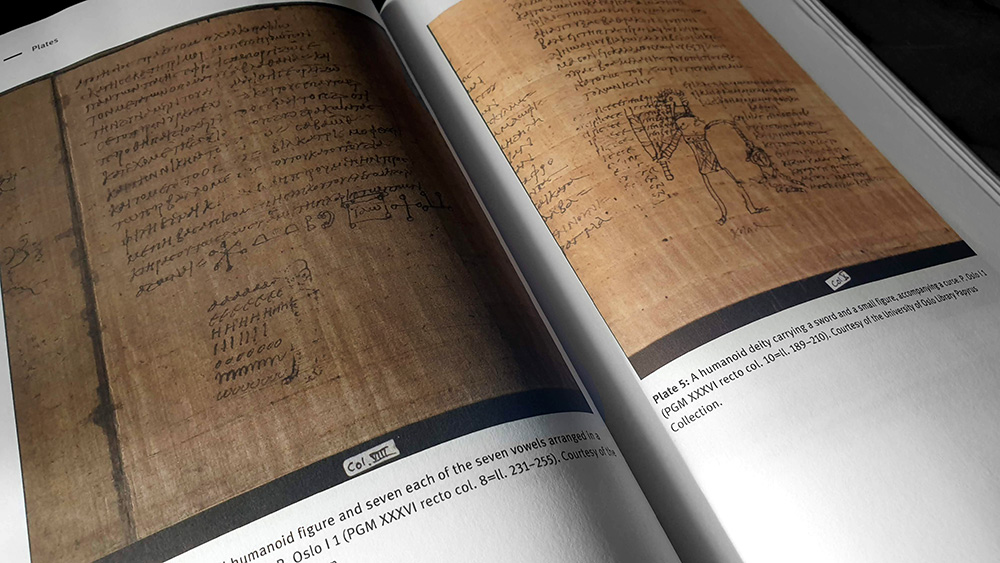
Drawing Spirit coverDrawing Spirit is a study of the art, production and social functions of Late Antique ritual artefacts and their visual role in ritual practice, with case studies on exemplars drawn from the Graeco-Egyptian magical papyri and the Heidelberg Magical Archive. Its stated aim is to establish a new approach that provides a holistic understanding of the multi-sensory aspects of ritual, and to explore the transmission of knowledge traditions across faiths. Editors Jay Johnston and Iain Gardner contribute most of the entries here, with credits for two essays each, but Julia Kindt and Korshi Dosoo also add to the mix. This line-up makes for something of a Sydney University showcase, with all contributors, save for Dosoo, being professors in either its religion or classics departments.

Co-editor Jay Johnston opens the proceedings with the supremely prolegomenal Magical Images: An Esoteric Aesthetics of Engagement, setting out in a dry manner ideas of images and their interpretation. In what may seem counterintuitive to a work that is focused on the analysis of images, Johnston advocates for an Esoteric Aesthetics, a new approach to interpreting texts and images that challenges empirical and essentialist representationalism. Instead of having a prescribed set of definitions by which text and images can be interpreted, Esoteric Aesthetics opens itself to a multiplicity of interpretations. Inherent in this approach is the idea that ritual objects were read on multiple levels by practitioners, rather than simply looked at.

Drawing Spirit spread

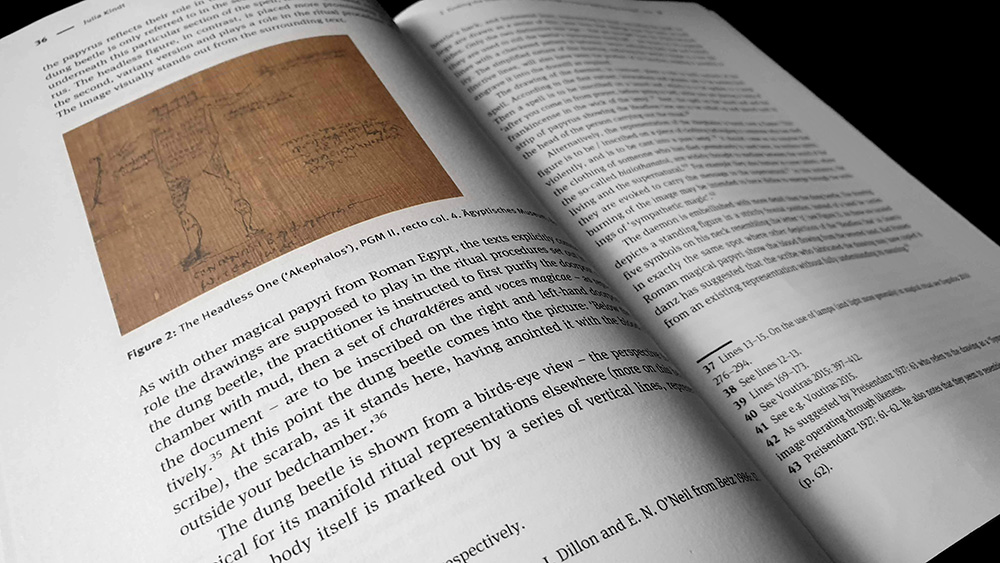
In Evoking the Supernatural: Text and Image in Graeco-Egyptian Magical Papyri, Julia Kindt considers the presentation of images and drawings in some of the papyri from what is known as the Theban Magical Library, a body of material from the third to fourth century CE, acquired in the early nineteenth century from art dealers in Luxor by the Swedish-Norwegian consul Giovanni Anastasi. Kindt proffers two case studies, both involving evocatively drawn figures whose exact-as-possible replication by a magical practitioner is essential for ritual efficacy. The first of these from PGM II, provides procedures for invoking Apollo in order to acquire prophetic revelations and features a depiction of a scarab beetle and of the headless daemon Akephalos. This Akephalos is the same Headless One invoked in what is known as the Headless Ritual from another papyrus, PGM V. 96-172 and which, thanks to a mistranslation, has in modern times be rebranded by the likes of the Golden Dawn and Thelema as the Bornless Ritual. Akephalos is as enigmatic as ever, carrying some sort of device in his right hand, his missing head replaced with a row of five symbols resembling the letter ‘q’ or stylised bird heads, while his torso is covered with tattoo-like voces magicae.

Given that Setians such as Don Webb have identified Akephalos with the Egyptian god Set (see the previously reviewed Seven Faces of Darkness), it is interesting that Kindt’s second case study is a charm of restraint in which Set/Typhon is summoned. His chimerical image is to be inscribed on a lead tablet along with various names of power and placed near the person to be restrained, giving evidence, as the Akephalos charm does also, to Kindt’s premise that such illustrations are by no means secondary in this form of magic and perform a fundamental function.

Drawing Spirit spread

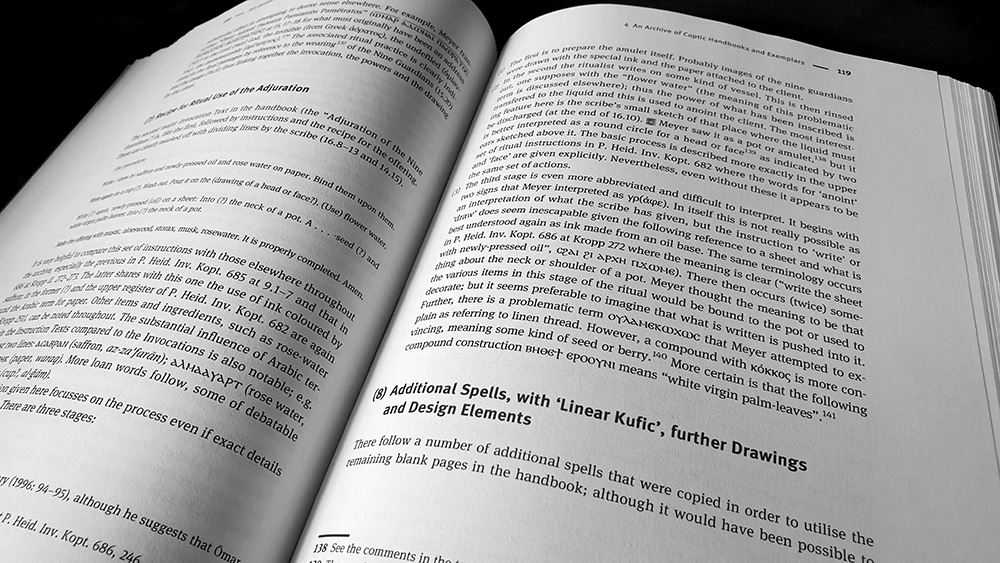
Co-editor Iain Gardner makes the largest contribution to this volume with the next two chapters, both of which act as surveys of the formatting of collections of magical texts conserved at the Institutfür Papyrologieat at Heidelberg University. One is a set of artefacts acquired through two purchases in 1930 and 1933 and now designated as P. Heid. Inv. Kopt. 678–686, whilst the other, P. Heid. Inv. Kopt. 680–683 and 685–686, is a tenth century archive of Coptic handbooks and exemplars for the making of amulets and gaining ritual power. The entries in both essays follow a similar pattern, opening with catalogue title of the respective manuscript, a perfunctory material description and a bibliography of previous related literature, before giving a supremely thorough analysis of the text in terms of it literary content and its decorations and illustrations. The first and shortest of these two chapters deals only with the aforementioned P. Heid. Inv. Kopt. 678–686, as an exemplar, with the rest of the chapter acting as an extensive and highly technical introduction to the Heidelberg Magical Archive, its origins, content and purpose.

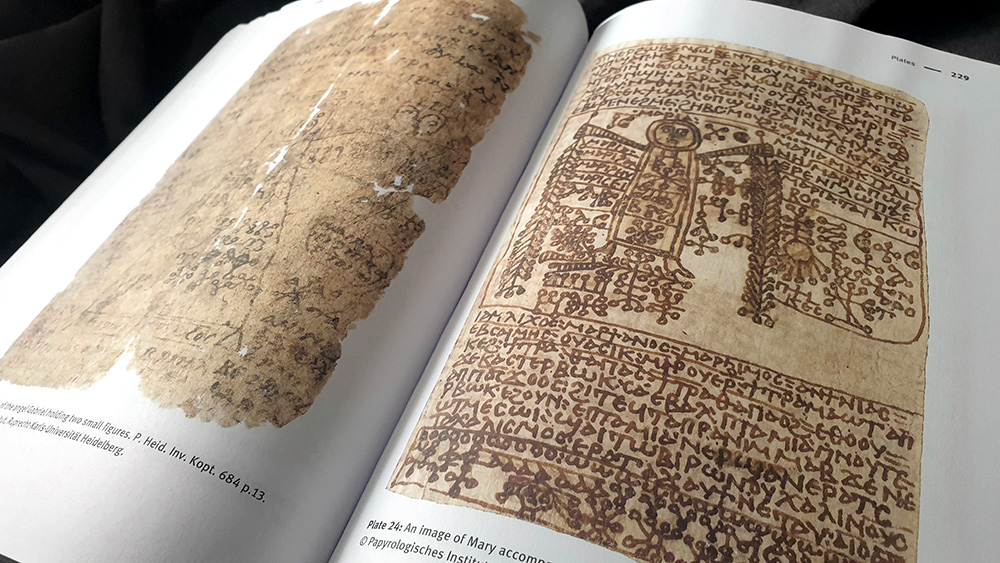
With his second essay alone running to 61 pages, Gardner’s sedulity is admirable, uncovering every detail and marking every observation for each entry, but it does make it hard work to get through. Gardner defines his exhaustive analyses of the six exemplars as consisting of notes and discussions undertaken at different times, and sequenced here without any greater editorial intent, and this is very much how it feels, making them a little disconnected and lacking in focus. This isn’t helped by the scission between this lexical and visual material and its broader origin within each manuscript. Although Gardner does include smaller photographic details of the various scriptural elements he is describing, there are no immediately accessible complete views of the entire pages to provide context. These are included as full-page plates in a comprehensive and valuable appendix at the end of the book, but it is exhausting having to flick back and forth betwixt the two. With that said, as a resource this is a nonpareil analytical reference worthy of coming back to when seeking to understand the content and in particular the minutiae of some of these Coptic manuscripts.

Drawing Spirit spread

Korshi Dosoo continues the thread of Australian academia amongst this volume’s authors, having completed his doctorate at Macquarie University, Australia. He is now one of the two principal investigators for CoMaF (the Corpus of Coptic Magical Formularies project at Julius-Maximilians-Universität Würzburg), a project whose members, fun fact, also includes another Macquarie alum, David Tibet of Current 93. Dosoo brings his Coptic expertise to his contribution, Two Body Problems: Binding Effigies in Christian Egypt and Elsewhere, providing a broad, summary of the use of effigies, both two and three dimensional, in the magical practices of Europe, North Africa and Western Asia, before getting into the weeds with three brief case studies. The first of these is Miracles of Mercurius, a story from the Coptic magical texts in which a boy offers to pay a magician for a love spell. Dosoo’s other case studies are direct magical instructions found in the manuscripts P. Heid. Inv. Kopt. 679 and P. Würzburg 42.

Drawing Spirit spread

Co-editor Johnston wraps everything up with Image Play: On Angels and Insects, in which he applies his framework of Esoteric Aesthetics to a single image, this volume’s cover star, drawn from The Exaltation of Michael the Archangel P. Heid. Inv. Kopt. 686 fol. 4r. The same image was also considered by Iain Gardner in his exhaustive chapter, but Johnston defines his own analysis as an experiment in provocation, rather than a presentation, using it as an example of a wildly speculative but internally coherent interpretation. Rather than seeing the image as being of St. Michael as simply a humanoid angel, Johnston asks, what if the depiction is of a winged insect, with what is usually taken to be Michael’s haloed head being a moth or butterfly emerging from its chrysalis or cocoon. Johnston enables this exercise in Esoteric Aesthetics by calling on textual examples of butterflies and other insects as spiritual figures (such as the belief in moths as ‘soul-birds’), as well as explaining the obvious associations with resurrection that one can make for lepidopteran metamorphosis. While Johnston is thorough in this analysis, there’s never a sense that it’s an interpretative hill he would die on, and in the end, it is what it is, a diverting and enjoyable exercise in theoretical what ifs.

Drawing Spirit spread

Drawing Spirit incorporates twelve monotone illustrations and 69 coloured ones, with 32 of the latter being full page plates (on regular, non-gloss stock) placed as an invaluable appendix at the back. The variety of contributions makes this an intriguing read, but with Gardner’s extensive analysis taking up so much space, its true value seems to be as a reference, rather than a digestible collection of essays.

Published by de Gruyter

by

Old Norse Folklore – Stephen A. Mitchell

No comments yet

Categories: folk, germanic, middle ages, paganism, runes, Tags:

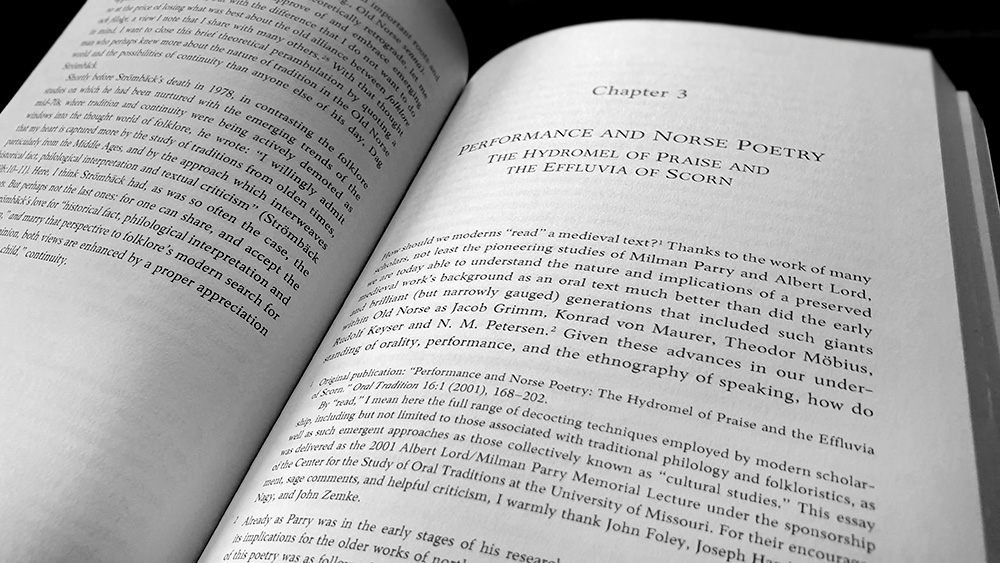
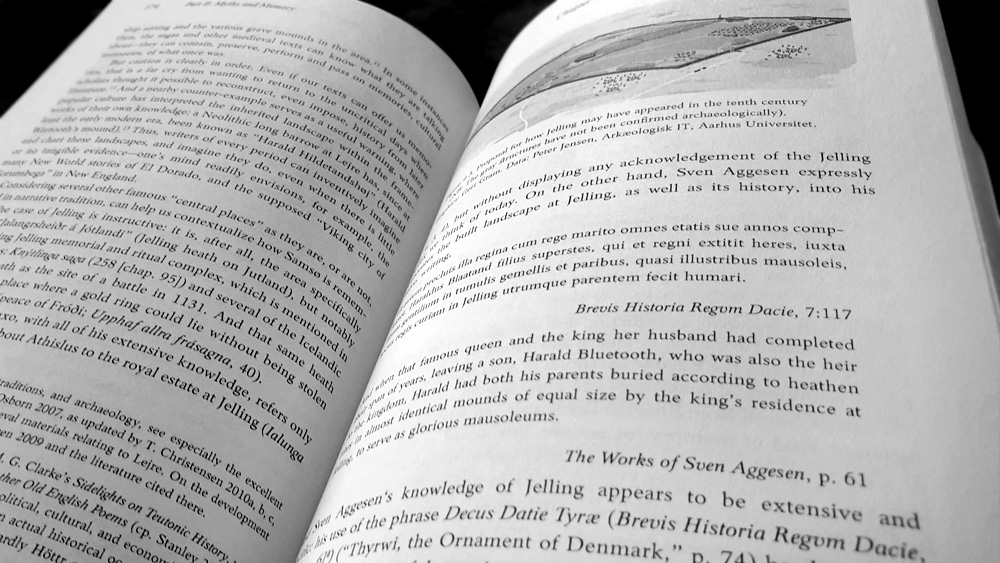
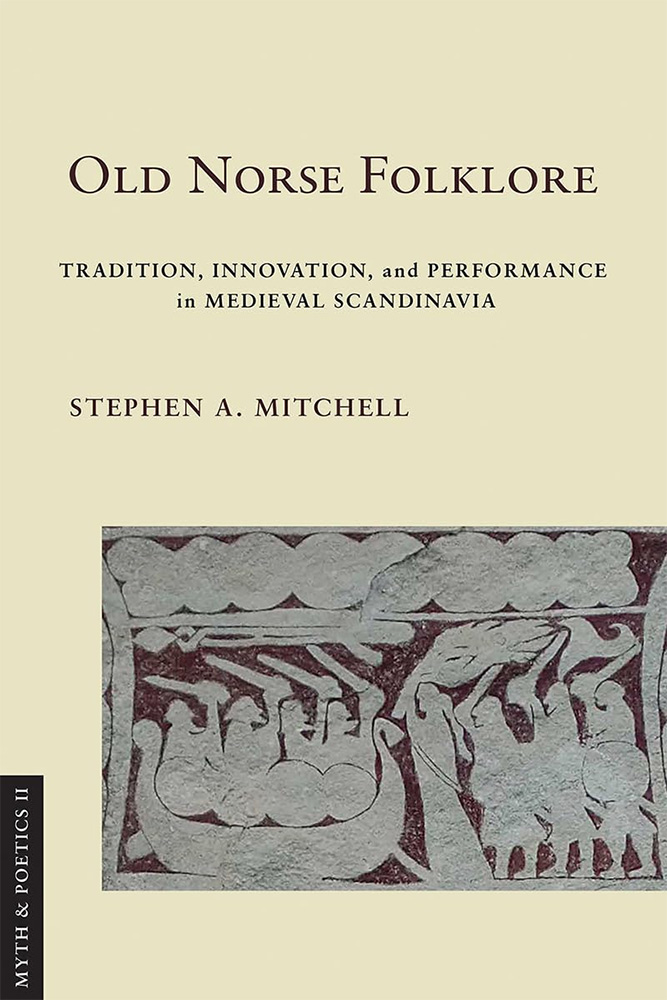
Old Norse Folklore coverPart of Cornell’s Myth and Poetics II series, in which literary criticism is integrated with anthropological approaches to mythology, Old Norse Folklore is a collection of essays by Stephen A. Mitchell, the Robert S. and Ilse Friend Professor of Scandinavian and Folklore at Harvard University. Almost all of the essays have been previously published across a variety of books and journals, so anyone familiar with Mitchell’s output, and Norse academia in general, will probably have come across at least one of them before. It’s a joy to have all of them in one place, and this feeling is aided by the inclusion of some of the essays being made available in English for the first time.

Joy may seem a strange emotion to attach to academia but it is palpable here, with Mitchell celebrating his tenure at Harvard through this collection of work, noting that the selection process was a joyous albeit daunting one. He details how it involved casting the net wide not just in terms of topics but theories and approaches, testifying to experimenting with a variety of theoretical pathways over the years, unwilling to dismiss any method out of hand. This positivity is echoed in the wonderful sense of blithesome collegiality to be found in Mitchell’s introductory acknowledgements, taking the opportunity afforded by a collection such as this to reflect on the many people he has met along the academic way. There’s gratitude for the inspiring (and “occasionally unintentionally terrifying”) teachers, for academic organisations and libraries, for the faculty at Harvard (with Mitchell in his fifth decade as a member), and for all the remaining but otherwise previously unmentioned Nordicists from across the field, listed alphabetically for completeness across half a page from Adalheidur to Zachrisson.

Old Norse Folklore spread

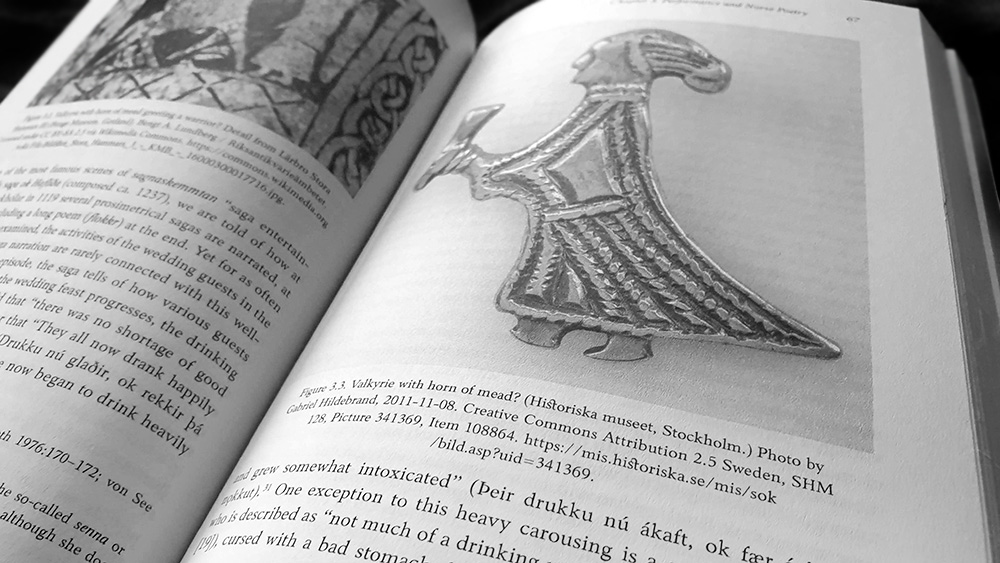
Old Norse Folklore is divided into three sections, Orality and Performance, Myths and Memory, and Traditions and Innovations. The first of these groupings is something of a technical grounding, with four essays previously published in the books Folklore in Old Norse – Old Norse in Folklore (University of Tartu Press), John Miles Foley’s World of Oralities (Arc Humanities Press) and the heretofore-reviewed Handbook of Pre-Modern Nordic Memory Studies (de Gruyter), as well as Harvard’s Oral Tradition journal. There are no in-depth considerations of mythic elements here, and instead the focus is on the mechanics of folklore, poetry and its performance. It is this intersection betwixt myth/folklore and performed poetry that looms large within the pieces collected her, with these themes consistently arising across the pages. Equally prominent is Sturla Þórðarson’s Sturlu þáttr, which is used as a significant source text in Mitchell’s Performance and Norse Poetry, as it depicts the poet retelling the now lost Huldar saga before King Magnus VI of Norway to much acclaim. Being such a prime example of poetry as performance, Mitchell returns to the þáttr throughout Old Norse Folklore, having recourse to it in each of the book’s three sections.

Old Norse Folklore spread

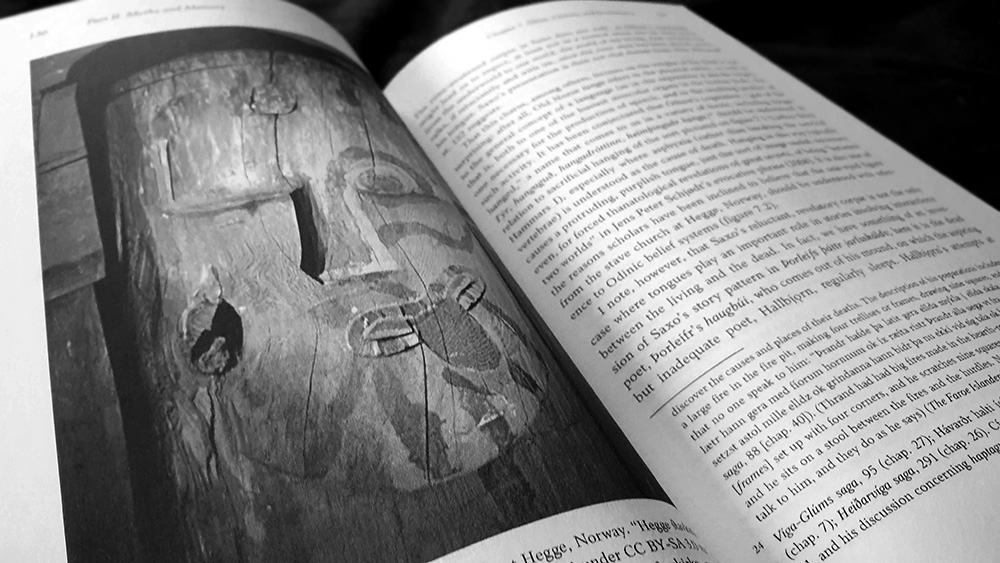
Myths and Memory, the second section of Old Norse Folklore, splits its themes of myth and memory evenly across six entries, the first two of which briefly give unique interpretations to minor mythic details, one an object, the other a goddess. Originally published in Gudar på Jorden, a festschrift dedicated to Lars Lönnroth, Skirnir’s Other Journey considers the riddle associated with the creation of Gleipnir, the near-impossible bond forged to bind the cosmic wolf Fenrir. The second of these entries, originally published in the 2014 issue of Saga oc Sed, is perhaps the longest ever assessment in print of Gna, a messenger spirit associated with Frigga. Mitchell patiently goes through the slight material that is extant concerning Gna, both in saga sources and in academic literature, with the former consisting solely of Snorri Sturluson’s comment on her in the edda, and three unhelpful skaldic kenning. However, by comparing her role to similar figures, Mitchell is able to convincingly position Gna as a spirit of prophecy related to the omniscience seen in figures such as Frigga, such as those summoned in Eiriks saga rauda to attending the oracular volva Þorbjörg. 

This mythonomic trinity of Myths and Memory is completed by Óðin, Charms and Necromancy, an essay that was one of the highlights in its previous appearance as part of the weighty anthology Old Norse Religion in Long-term Perspectives and this remains true here, amongst these new companions. Like the consideration of Gna, the theme here is a mantic one and Mitchell looks at Óðinn’s association with necromancy, in particular his claim that he could make a dead person speak by using runes, relating it to a matrix of similar ideas of death speech from across Norse folklore and myth.

Old Norse Folklore spread

The remaining three essays in Myths and Memory move the focus to anamnesis, particularly the intersection betwixt memory and the landscape, a popular area of academic consideration in recent years. Mitchell begins broadly by considering the act of remembering in Medieval Scandinavia and how, as a phenomenon that exists between individuals, rather than inside a single person, this experience could be mediated through performance, finding particularly useful examples in the colophon to Yngvars saga vidforla and in Sturla Þórðarson’s well received performative retelling of the lost Huldar saga (as recorded in Sturlu þáttr). The other two essays in this section focus on locations, with Mitchell considering the role of memory in the collective conception of two islands: the Danish Samsø and the Swedish Gotland. Whilst Samsø has a certain charm as the site of the final battle between Hjalmar and the berserker Arngrim, and as the location where Loki accuses Óðinn of seiðr, the more intriguing of these two loci is Gotland. In an essay previously published in the book Minni and Muninn: Memory in Medieval Nordic Culture, Mitchell shows how Gotland has always attracted ideas of primacy, as a point of origin, within collective, but largely constructed, memory.

Old Norse Folklore spread

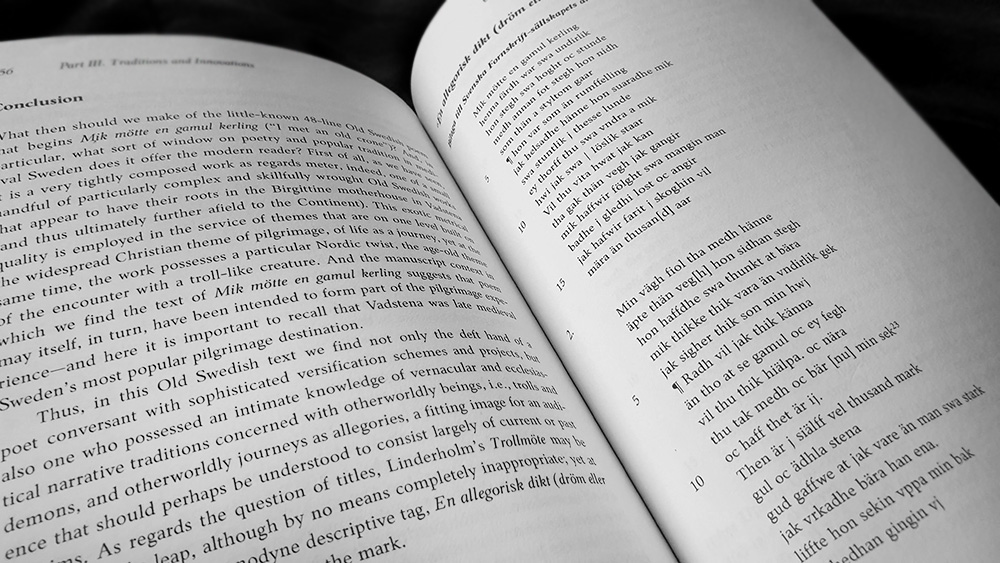
The book’s final Traditions and Innovations section features just three entries, beginning with a consideration of onomastics and the parricidal narratives of heroic tradition as conveyed through the valorised Halfs saga and Das Hildebrandslied and their historical corollary on the Listerby runestones. This section also sees Mitchell returning again to Sturla Þórðarson’s eponymous þáttr as an example of the evolution of performative Old Norse literature in Courts, Consorts and the Transformation of Medieval Scandinavian Literature. Things are then wrapped up with a brief discussion and full translation of the enigmatic Old Swedish poem known as Tröllmote (‘Troll Meeting’).

Old Norse Folklore is an immensely readable anthology, with a variety of themes that ensure there should be something for everyone. Mitchell presents his subjects with a joy, combining deft expertise with an effortless, approachable manner that nevertheless maintains an academic rigour. Old Norse Folklore has a second volume which at time of writing is to be published early 2025 and will explore medieval and early modern Nordic magic and witchcraft, in terms of syncretism, continuity, survival, as well as the reconstruction of pagan beliefs and cultic practices.

Old Norse Folklore spread

Complementing Mitchell’s clarity of prose, is the functional but beautifully formatting of Old Norse Folklore, with body copy set in a refined serif that is aided in its placement on the page by the perfect amount of airy leading and tracking, making for an effortless read. Chapter titles are rendered elegantly in a small caps version of the same face, while at the footer, bountiful footnotes receive a similar treatment to the body, all space and readability, but at a smaller point size.

Published by Cornell University Press

by

Dreams in Old Norse Literature and Their Affinities in Folklore – Georgia Dunham Kelchner

No comments yet

Categories: folk, germanic, Tags:

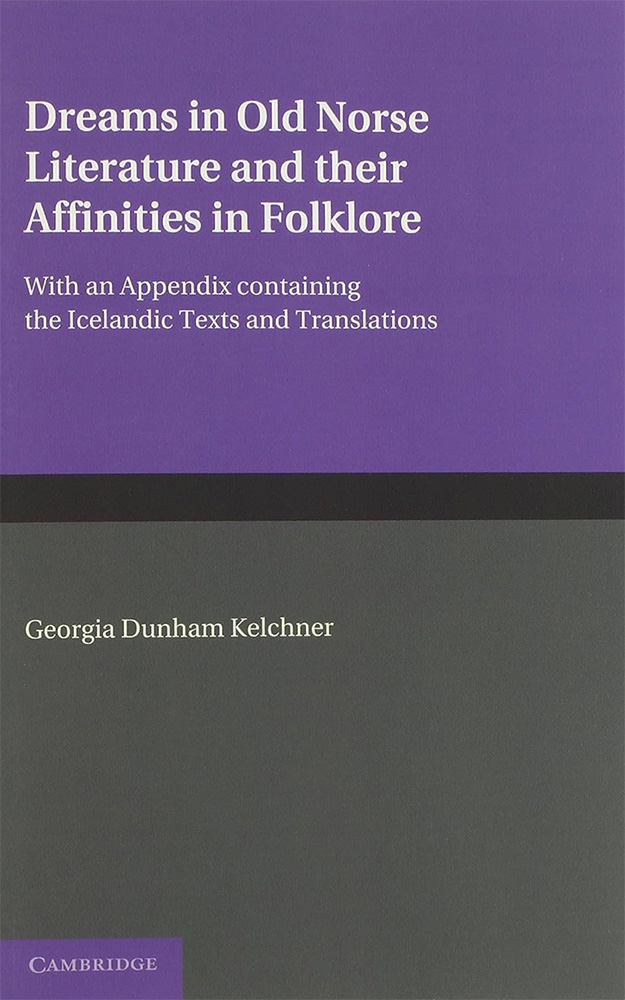
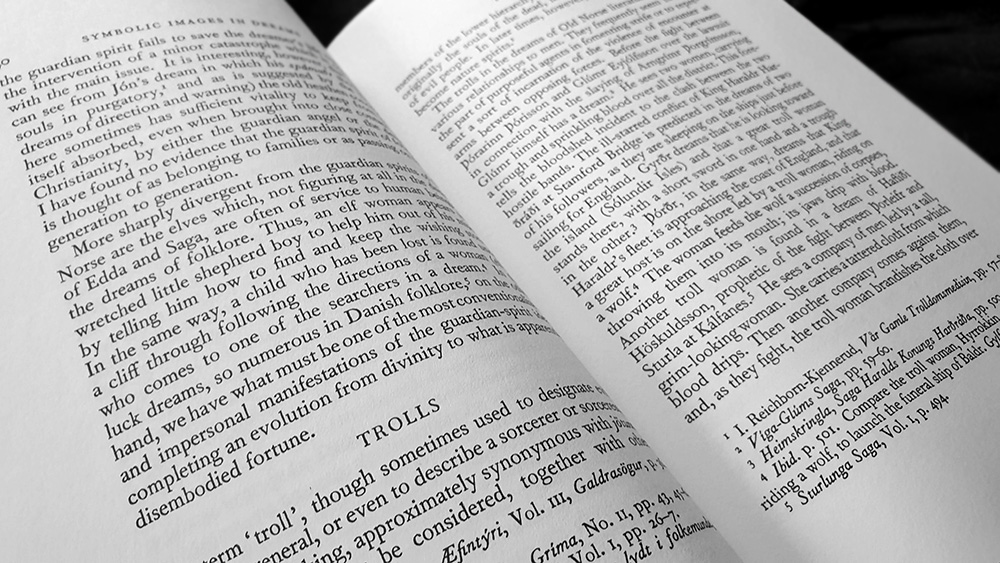
Dreams in Old Norse coverGeorgia Dunham Kelchner’s Dreams in Old Norse Literature and Their Affinities in Folklore.was originally published in 1935, and this 2013 edition by Cambridge University Press marks its first ever printing as a paperback. The result of research gathered during her seven years studying at Girton College, Cambridge, under the direction of Dame Bertha Phillpotts, Kelchner’s landmark work examines the role of dreams in Old Norse literature. Of particular note is how the concepts of dreams evolved with the coming of Christianity, with Kelchner noting parallels and changes in later post-conversion folklore to further inform an understanding of the importance of dreams to the pre-conversion Norse.

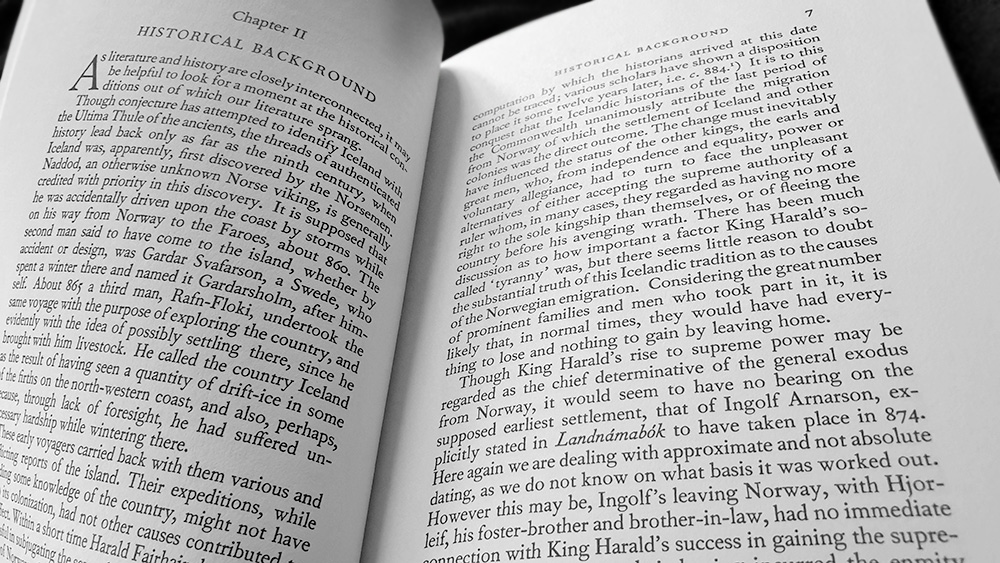
Kelchner categorises the dreams found in Old Norse literature and folklore into three classes: dreams of adversity and prosperity, dreams containing symbolic imagery, and dreams in which living or dead persons appear to the dreamer. She spreads her work across just seven chapters, with the largest being the fourth, fifth and six ones, in which she catalogues the various images that appear in the dreams. Following an introduction, curiously titled Chapter 1, Kelchner provides a brief five page-chapter of historical context, followed by an equally scant chapter on the two overriding themes found across the corpus of Norse oneirism, adversity and prosperity, with considerably more of these dreams dealing with trouble than they do with good fortune. She notes that the source of adversity differs between the dreams recorded in Old Norse literature and later folklore, with the former often involving conflicts between people, whereas the latter features the predations of supernatural forces (such as spirits of the dead) and natural ones too, such as famine and epidemics.

Dreams in Old Norse Literature spread

The fourth chapeter, Symbolic Images in Dreams, is the book’s longest entry and documents the various entities encountered, each with their own section. This makes for an effective dream bestiary, if you will, and covers fetches, guardian spirits (such as hamingja, dísir and spamadr), trolls, and the gods; with Kelchner noting that few of the Norse gods appear in connection with dreams, with even someone like Óðinn being absent from any dream experienced by god or human.

Dreams in Old Norse Literature spread

While the various supernatural figures that appear in these dreams might have some inherent allure, chapter five reveals some unexpected delights in its overview of the various material objects that appear in dreams, often weighted with broader cultural significance than their mundanity might suggest. There’s visualisations of family trees as literal trees, or children being represented by an arm ring that breaks, or the missing toes of their father. This use of symbolic objects in which sign intersects with signifier makes a fitting correlation with the creative use of kennings in Norse literature in which skalds would blend metaphor and metonymy.

Dreams in Old Norse Literature spread

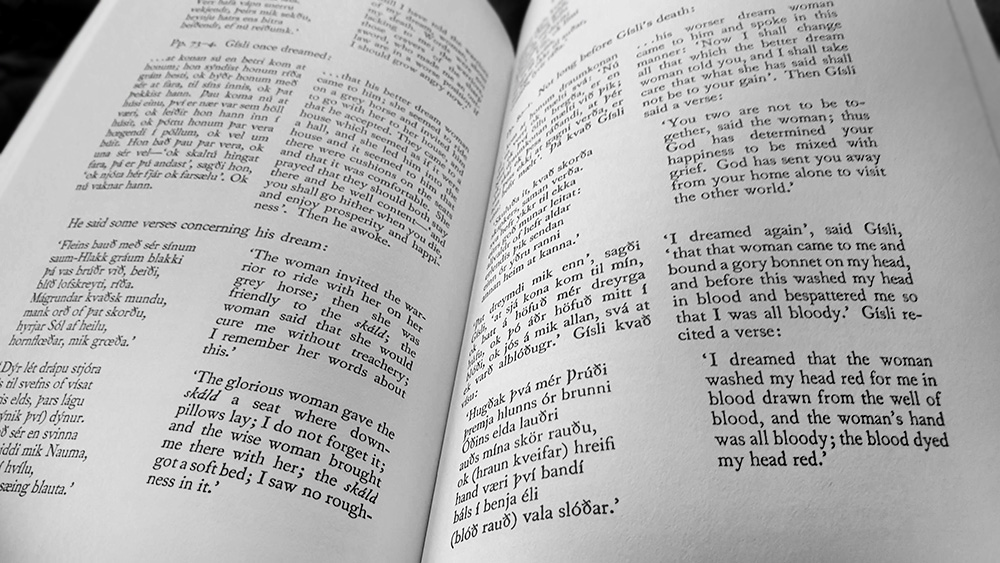
The main content of this book runs to only 76 of its 154 pages, with the remainder being filled with a bibliography and an extensive appendix of source texts and their translations. The presence of this 66 page appendix accounts for the lack of any in-body quotes within the primary section of the book, with Kelchner merely describing each dream instance and never giving the actual wording as they appear in the texts. Whilst this does have the benefit of keeping the pace prompt and the page count low, it can also, nevertheless, make everything run together, with the summary she provides being divorced from the vivid wording of the originals. With that said, compiling the sources into a comprehensive appendix makes for a valuable source, especially as each reference is presented side by side in both Old Norse and English.

Dreams in Old Norse Literature spread

In a similar fashion, Kelchner is pretty light on analysis, with the dreams within each category being presented as little more than an info-dump, with few of the specific dreams getting any deeper consideration. What this ‘just the sources’ approach does have going for it is the showcase it provides of dream accounts in Old Norse culture, with the concatenation of over 100 dreams from different sagas revealing a rich diversity of imagery, and one that speaks to the thematic and symbolism-rich lexicon embedded within the culture.

Published by Cambridge University Press

by

Creating Places of Power – Nigel Pennick

No comments yet

Categories: folk, middle ages, Tags:

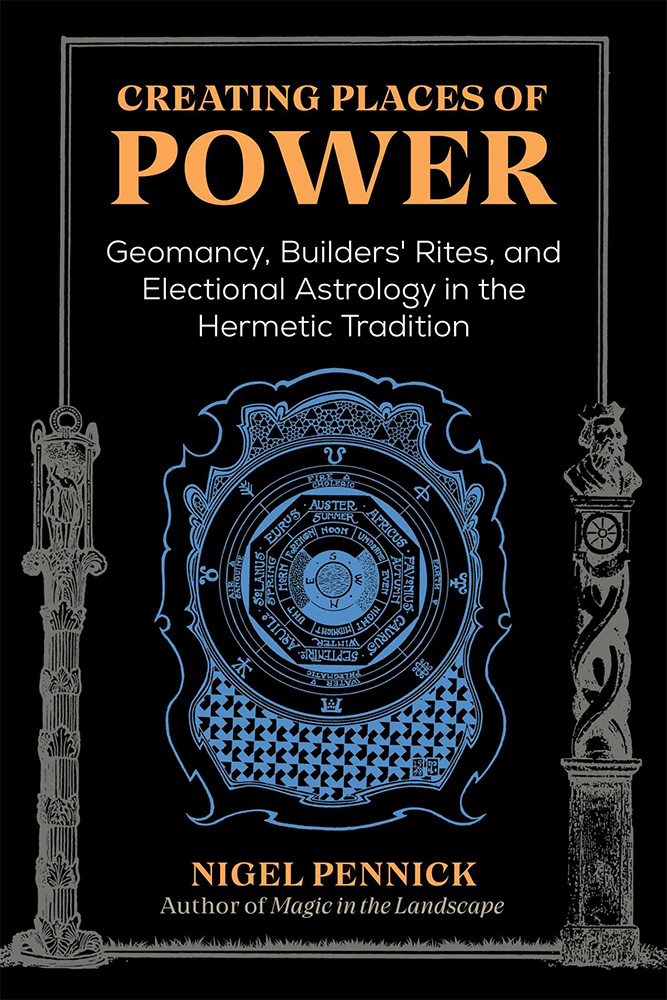
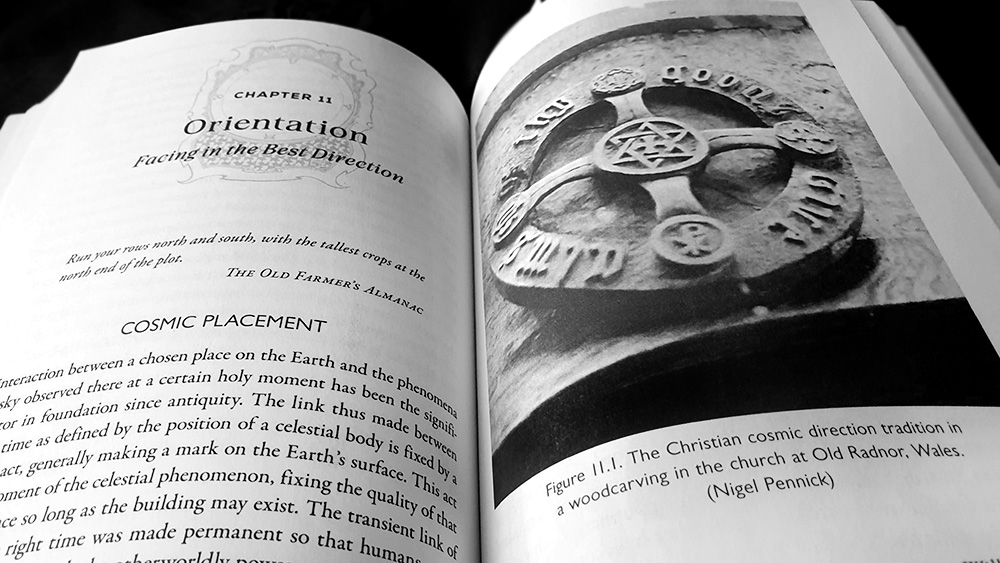
Creating Places of Power coverSubtitled Geomancy, Builders’ Rites, and Electional Astrology in the Hermetic Tradition, Nigel Pennick’s Creating Places of Power was originally published in 1999 by the now defunct Capall Bann press. That edition had the ambiguous and open-ended title of Beginnings, and was accompanied by a subtitle that referred to the European tradition instead of the Hermetic one. As it turns out, that earlier subtitle is more accurate, because the brief here is one that embraces folklore and traditions from across Europe, rather than anything that could be specifically categorised as Hermeticism per se. For what it’s worth, Hermeticism does seem to be quite the thing as the moment for Inner Traditions, with this being one of several recent books up for review that mention it in their title.

This is not the only geomancy-themed work that Pennick has published in recent years, with his Magic in the Landscape, another reissue of an older title, being released in 2020 by the Inner Traditions imprint Destiny Books. Perhaps expectedly, there is some thematic overlap here, with Pennick having the same concerns across both titles, though his tone is remarkably different. As is his style, Pennick begins in opposition, positioning the themes of his book against the modern world. This is a typical and de rigueur screed against modernity, though it contrasts with Magic in the Landscape by virtue of its vituperative tone. While, as our review documents, Pennick has an almost resigned and philosophical manner when discussing the desacralisation of the landscape in Magic in the Landscape, here he lets fly with a condemnation of modernity, aiming his fulmination quite far back with a particularly impassioned and scathing attack on the Italian Futurists, and their love of speed and the machine. Such is the disproportionate level of excoriation that it almost seems personal, as if Pennick’s childhood puppy had been run over by an automobile recklessly driven by Filippo Marinetti doing his best Toad of Toad Hall impression, or something.

Creating Places of Power spread

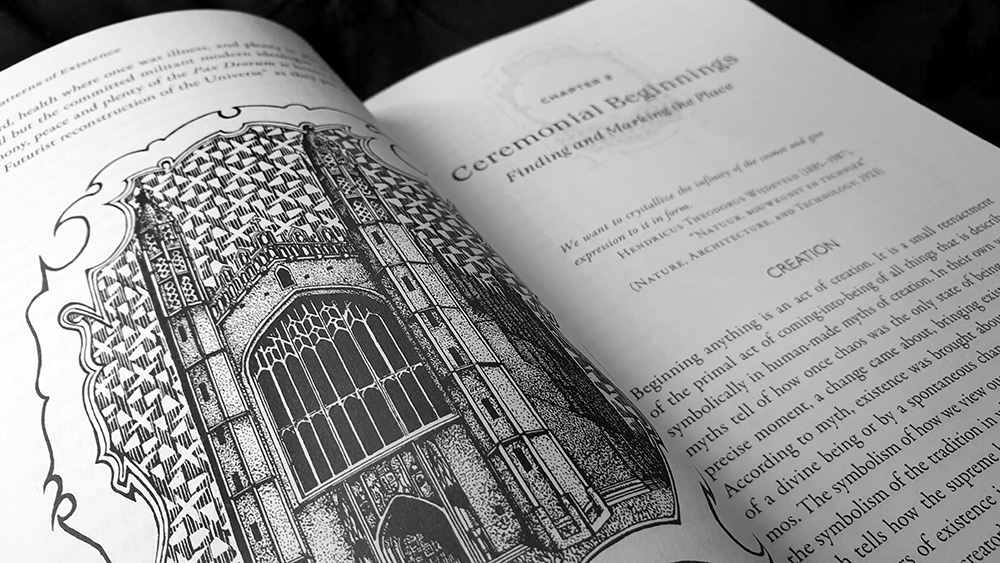
Speaking of speed, Pennick proceeds at a fair click, dividing his book into fourteen chapters, each formatted with a large point size, lots of space, and plenty of images; with at least one across almost every spread. He opens with Patterns of Existence: Consciousness, the Gods, and the Stars, a chapter principally of theory, considering ideas about place within the cosmos, including the aforementioned condemnation of modernity and Marinetti.

The following second, third, fourth and fifth chapters feel very much like pieces cut from the same cloth, quite literally creating the book’s foundations with a consideration of how special locations might be found, prepared and built upon. In Ceremonial Beginnings, Pennick briefly presents the ways in which a potential place of power could be found and marked, while Foundation discusses the use of offerings and sacrifices to imbue a site with a spirit of place. Whilst Consecration, Evocatio, and Blessings addresses the sacred and the profane in terms of consecrating such locations, while Symbolic Foundation deals with traditions surrounding the laying of the First Stone within structures.

Creating Places of Power illustration

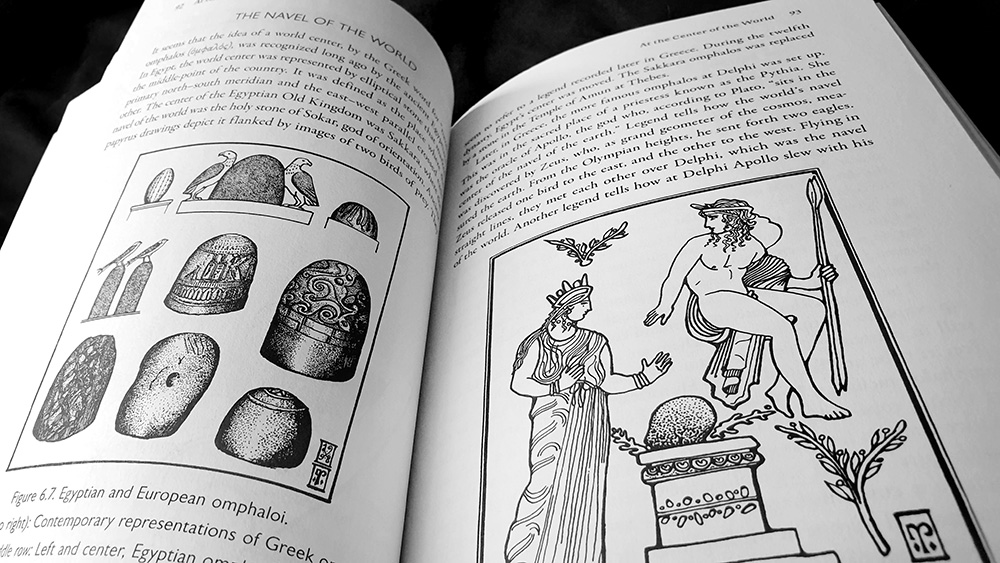
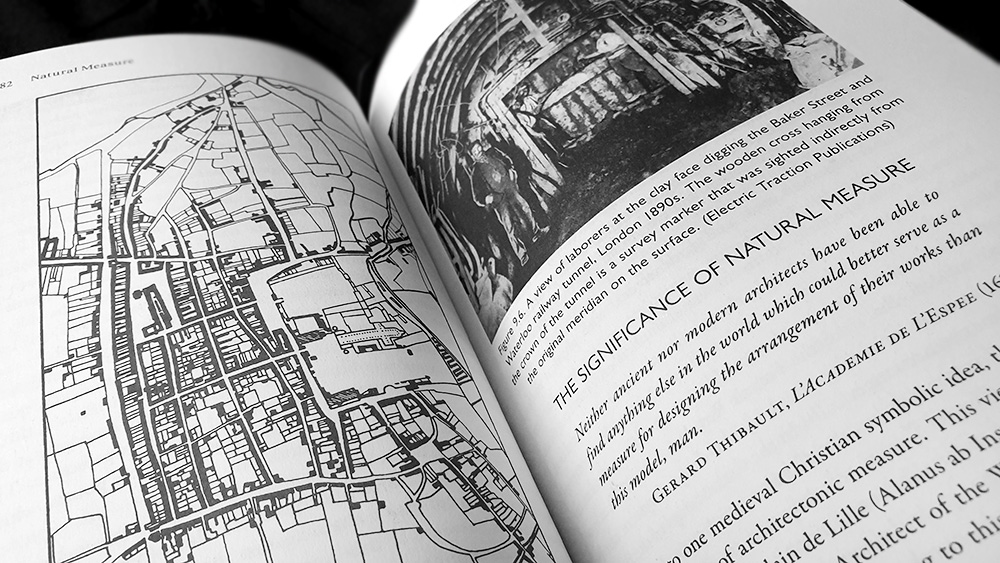
Due to its surfeit of images, this section flies by, with the chapter divisions barely noticeable. Indeed, such is the wealth of pictures that it can be hard to follow the main body text in places, broken up as it by the many large and full page illustrations and photographs that are sometimes followed by still more similarly sized pictures, each annotated with their captions. The end result is a literal, if not literary, page turner, in which handfuls of pages can be knocked out in seconds. Pennick does also keep the written pace coming though, pulling temporally diverse examples from across Europe, with barely a moment to breath. This does, inevitably, create a sensation much discussed in previous reviews of Pennick’s work, where it seems like information is being dumped ungracefully onto the pages, instance after instance, with little exegetical cartilage to tie it all together or slow the pace for a breather. This is compounded by a lack of consistent citing, with a few works being sourced within the body with author and title, whilst the less worthy (accounting for the majority of the information here) remains citation free. There is a bibliography and list of sources at the end of the book, but without any connection between that and the main text it’s largely useless.

Creating Places of Power spread

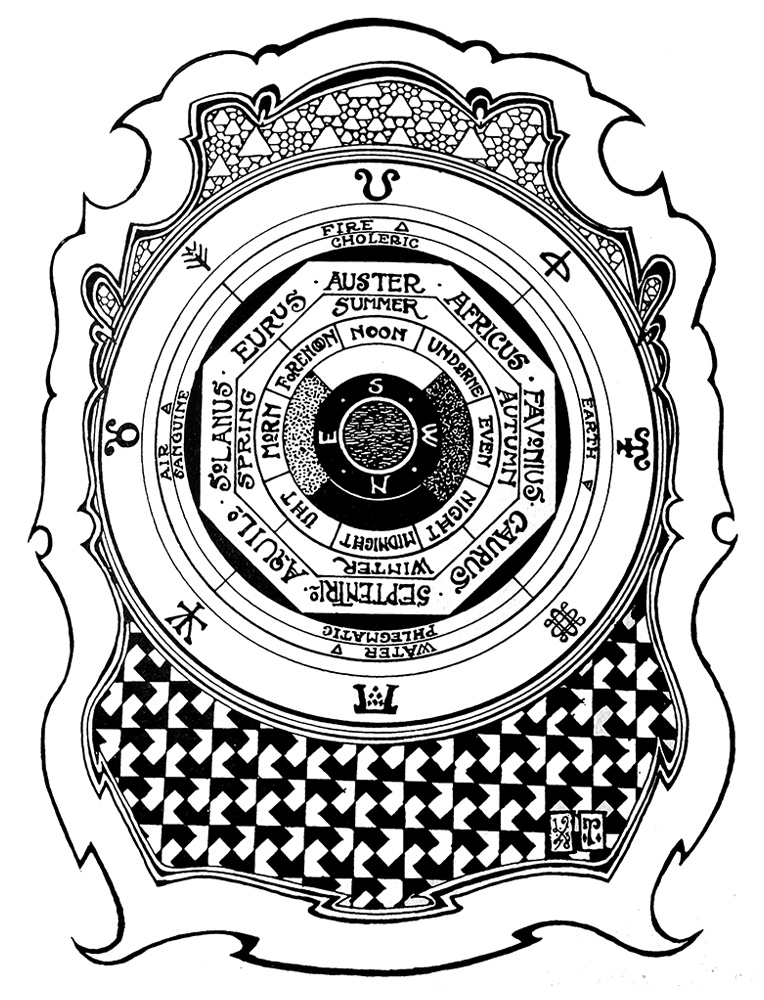
The structure of Creating Places of Power is logical and considered, meaning that, having now established the foundation in the preceding chapters, Pennick turns his focus towards the centre, looking at centriole cosmic symbols like the omphalos, as well as axial devices such as the World Column and the World Tree. Then, in the following two chapters, the journey continues out from the centre, with considerations of the eightfold division of the world, and the symbolism of the eight wind as embodiments of these directions.

Creating Places of Power illulstration

This focus on the centre and its emanations continues into the two subsequent chapters and their documentation of two methods of understanding the world: physical measuring (in particular the use of units of measurement derived from nature), and the telling of time (primarily from the shadowy interaction betwixt gnomon and sun). It is here that Pennick kicks it into curmudgeon mode, having otherwise kept it largely in check after the opening invective against the Futurists. Pennick really seems to have it in for the metric system, which he emotively describes as having being imposed upon people as part of a program of rationalisation, with the “decimalization of the world” having grown apace since the French revolution whose revolutionaries believed it was the only way to live. Rather than these new-fangled ‘globalist’ methods of measuring, Pennick prefers it old school and natural, where things were measured by the other things around it, rather than in abstract units. The most obvious being the original and rather literal unit of a foot, which rather than being the standardised 12 inches (boo, hiss, begone Satan) was whatever the length of the measurer’s foot. Given the innate variance associated with that appendage, I think I’ll stick with standardisation if it’s all the same. Understandably, Pennick is also rather unimpressed with modern time keeping, and predicates olden days local solar-derived time over the modern world’s standardised time zones. The most vociferous ire is saved for daylight saving time, described as a ‘confidence trick’ ‘devised by propagandists’ that “still works today, unquestioned by the vast majority of people” – wake up, sheeple, do your own research!

Creating Places of Power spread

Pennick concludes with a handful of other chapters circling similar ideas to that which has preceded them, discussing the use of centriole symbolism in street designs, favourable days in the calendar, and the principles of electional astrology and their use in determining the correct time for rites and ceremonies. At 328 pages including appendices, index, glossary and bibliography, Creating Places of Power looks like it should be a weighty read, but due to the aforementioned wealth of images, and generously proportioned text formatting, it’s a deceptively brisk undertaking. In some ways, it is a very specialised book whose thematic appeal may be limited but Pennick approaches his subject matter with the vigour and detail of someone for whom it most certainly does appeal; which may account for those moments when the passionate invective feels, to this layperson, just a tad disproportionate.

Creating Places of Power spread

Text design and layout come at the hand of Debbie Glogover, who sets the body type in Garamond, with Grand Cru as the title face, and Gill Sans, Kapra Neu and Nexa as the other display faces. The illustrations are a combination of photographs and archival graphics, with a large proportion of works contributed by Pennick himself, notably a series of well-executed escutcheon-based diagrams mapping out concepts like the wheel of the year or the eight winds.

Published by Inner Traditions
by

Dark Enlightenment – Kennet Granholm

No comments yet

Categories: esotericism, grimoire, luciferian, magick, nightside, qabalah, tantra, typhonian, Tags:

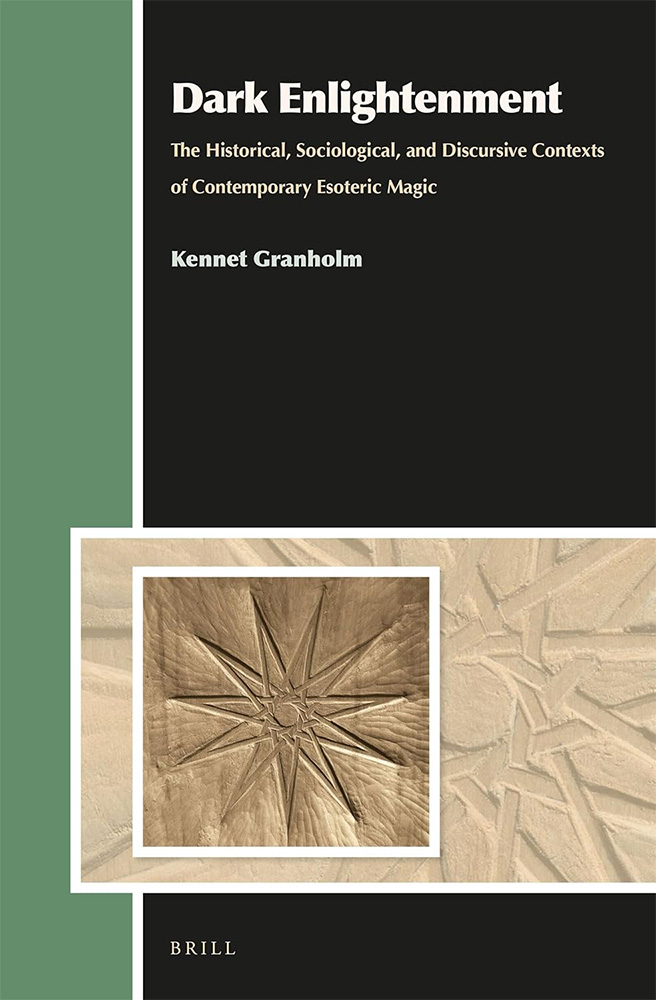
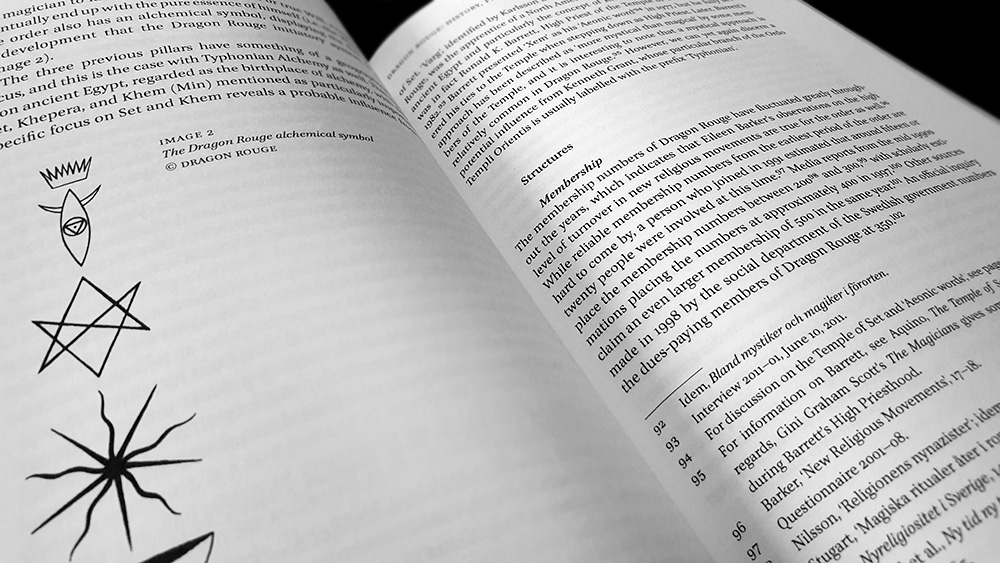
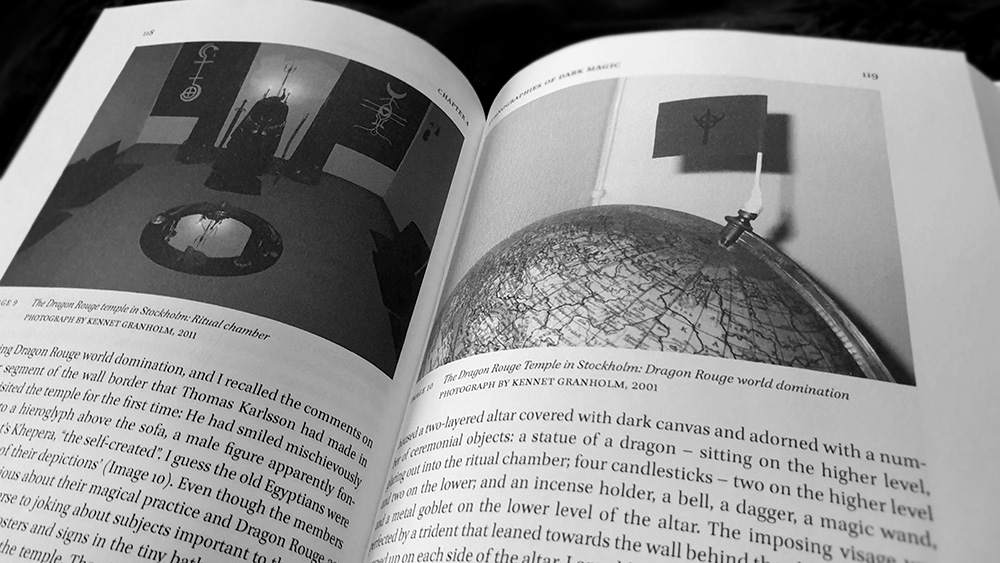
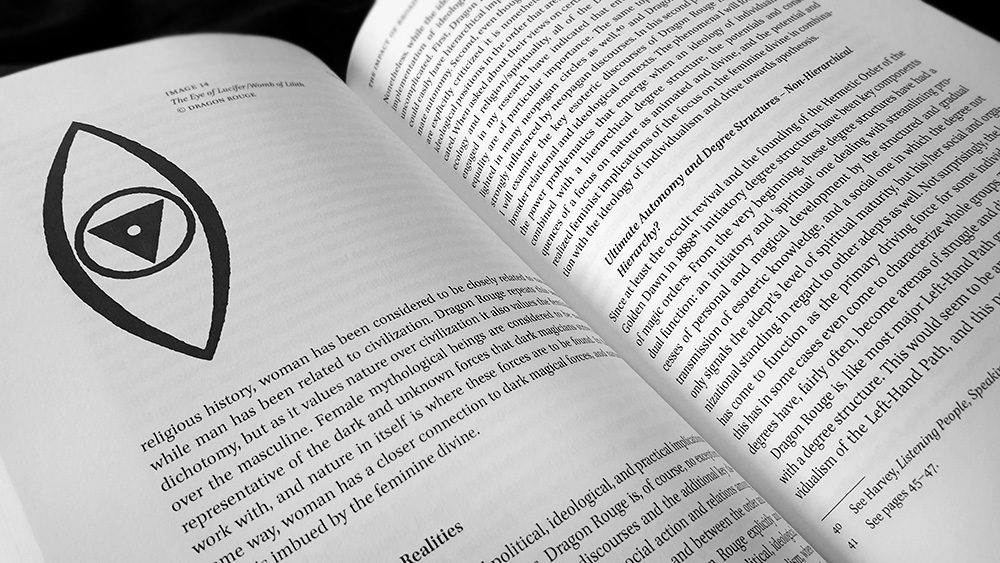
Dark Enlightenment coverReaders of Kennet Granholm’s Embracing the Dark, a study of the Swedish magical order the Dragon Rouge published in 2005 by Åbo Akademi University Press, may experience a sense of déjà vu when opening Dark Enlightenment. Released as Volume 18 in Brill’s Aries Book Series, this is effectively a revised version of Granholm’s PhD-thesis, but one that has been a long time coming. Initially intended to be finished by 2007, this title would take seven years to be completed due to the constant revisions necessitated by Granholm’s acquisition of new information, resulting in a book that feels far more fleshed out and well rounded.

Granholm presents Dark Enlightenment as a consideration of contemporary esotericism, in which the Dragon Rouge is a particular exemplary case study. But with that said, considerably more time and ink is spent on the order specifically, rather than the general occult milieu from which it emerges. The book keeps much of the broad structure of Embracing the Dark, sharing many of the same chapter titles and sub headings, as well as the general content, but this is not simply an exercise in tidying up and adding a few more bits of information. Instead, much if not all of the content has been rewritten, with an improved and more considered flow, with less of the feeling of brisk literature reviews and the covering off of theoretical models that are seen in, and are characteristic of, the thesis.

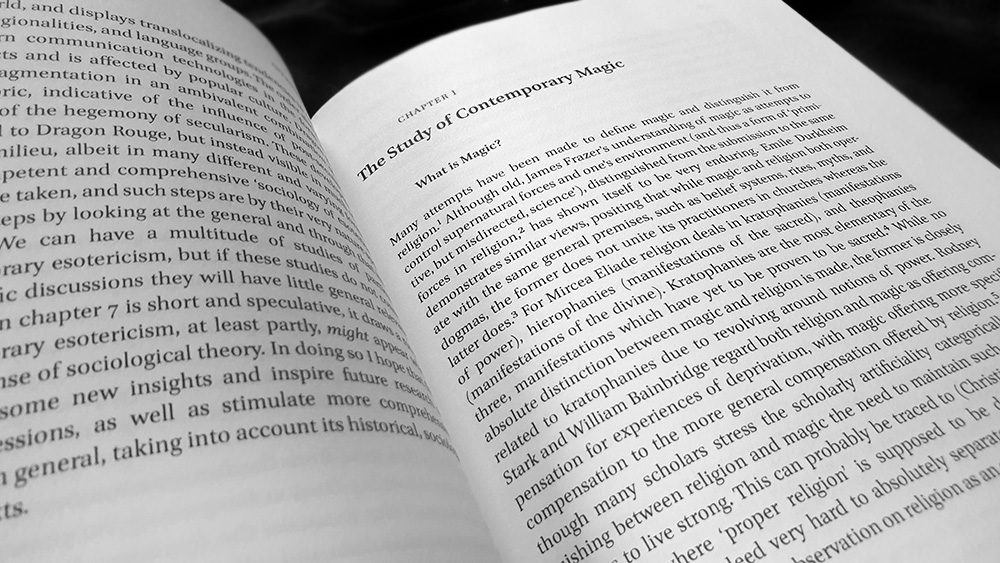
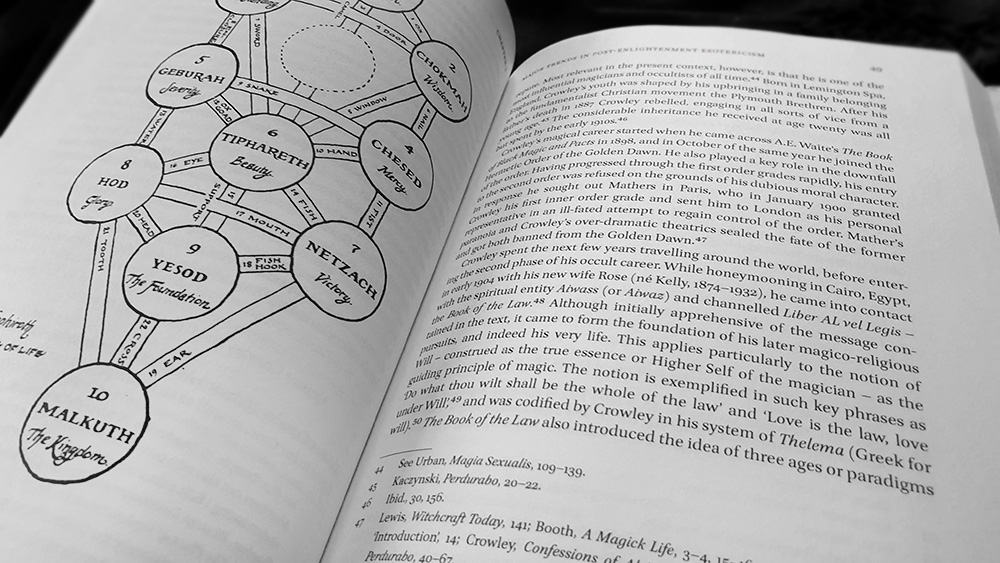
In the first half of Dark Enlightenment, Granholm does present a somewhat dry overview of esotericism leading up to the modern day. The first chapter is effectively a literature review, documenting the growth of esoteric studies within academia, marking off historiographical and sociological approaches, as well as the emergence within more recent years of what Granholm and Egil Asprem have termed a ‘new paradigm,’ as typified by the approaches of Wouter Hanegraaff, Christopher Partridge and Kocku von Stuckrad. It’s all essential academic grounding, but there’s no denying the sense of having to wade through the theoretical models to get to the good stuff. The same is also true of the following chapter on major trends in post-Enlightenment esotericism, beginning with Theosophy and the rest of the Nineteenth Century Occult Revival, and ticking off Neopaganism and Satanism before ending with the New Age and the mainstream popularisation of occultism. Once again, it is all necessary for context, but it is well-worn territory for anyone familiar with the Western history of occultism from across the last two centuries.

Dark Enlightenment spread

In Embracing the Dark, Granholm began his first chapter on Dragon Rouge by discussing its philosophical tenets, a decision that resulted in the order being somewhat temporally unmoored. Here, though, the chapter begins with the history of the order, acknowledging that any comprehensive consideration of Dragon Rogue needs to start with founder Thomas Karlsson. Indeed, one of the areas in which Granholm has added further details is in the story of Karlsson’s youth and what lead up to his founding of the Dragon Rouge. In Embracing the Dark, this section felt brief, even though all the significant moments were there, but here they are a lot more fleshed out. Notably, an early friend and occult influence for Karlsson, ten years his senior, who was previously unnamed and little credited, is now given a pseudonym (the suitably mysterious ‘Varg,’ would you believe) and receives multiple mentions as a formative influence. Similarly, further context is given to a story, briefly recalled in Embracing the Dark, about how a Draconian baptismal ceremony held by the order was mispresented by Göteborgs-Posten as a Satanic baptism, due, not to any content in the ritual, but because the parents themselves were Satanists. Now the previously unnamed father is identified as the singer of black metal band Dark Funeral (presumably Magnus Broberg, AKA Emperor Magus Caligula), which is just neat.

Dark Enlightenment spread

Granholm also has a slightly broader dataset than just the questionnaires and interviews from 2001 and 2002 that he drew upon for Embracing the Dark, now boosted with further interviews from between 2007 and 2012 with Karlsson and other Dragon Rouge members, as well as representatives of the Ordo Templi Orientis and the Rosicrucian Order of Alpha+Omega. The bibliography is also larger, reflecting the growth in esoteric academia, with references to Granholm’s own works, limited to just two entries in Embracing the Dark, now running to over a page.

In all, there seems to be a greater attention to detail throughout Dark Enlightenment, and with that comes a more circumspect and critical element added to Granholm’s assessment of the Dragon Rouge. While the 2005 iteration could feel overly-immersed in the order, all starry-eyed and accepting, now there’s more of an anthropological aloofness, an awareness that occultists should not be entirely trusted when it comes to anything, especially their own mythmaking. In one example, Granholm takes time to fact-check some convenient but inaccurate etymology in the order’s vision of the Dark Feminine, critiquing an article on Vamamarga Tantra from the order’s Dracontias publication in which ‘Vama’ is translated as ‘woman’ in order to emphasis the system’s feminine focus. This is a pleasing idea, but despite being superficially similar to an adjective used in compounds to denote female characteristics, the Vama component in Vamamarga is etymologically distinct and means ‘left’ or ‘adverse;’ as is appropriate for its use in the designation of left-hand path Tantra. In highlighting this little faux pas, Granholm questions the order’s choices, defining it as ‘interesting’ that the Dracontias author prioritises a tenuous etymology over more thorough evidence such as the many tantric texts that relate directly to the feminine.

Dark Enlightenment spread

Granholm peppers his analysis of the Dragon Rouge with quotes from its members who often come across as just a little insufferable. This is due to what one could call left-hand path arrogance, an undeserved confidence that comes from believing that your affiliation to an organisation that prioritises an antinomian spirit makes you unique and outside the bounds of normality; as if merely saying it makes it so. There’s the dismissive attitude to more light-aligned occultists, or the boasting about black magicians actualising by breaking free of imposed morality, ‘loving honestly’ with “a love for the living and not for the meek and dying.”

Dark Enlightenment spread

In his concluding remarks, Granholm does a reviewer’s job by mentioning gaps in his work, briefly discussing themes that could have been explored were it not for the constraints of time, space and focus. The first of these finds us in agreement over the missed opportunity to more closely examine Dragon Rouge within the broader Left-Hand Path milieu. Whilst there are passing references to other groups like the Temple of Set and the Church of Satan, these are largely confined to the overview provided by the Major Trends in Post-Enlightenment Esotericism chapter, and beyond that, Dragon Rouge seemingly stands alone. Less vital but still of interest, Granholm laments the missed opportunity of discussing more fully the intersection betwixt Dragon Rouge and academia, while its relation to pop culture (briefly touched upon when discussing its role in metal music) and gender theory are also acknowledged as areas that could have warranted more consideration.

Dark Enlightenment spread

As one would expect, the extra time spent on Dark Enlightenment makes it a fine replacement of the formative thesis version, and an essential text as a case study of modern esotericism. It runs to 230 pages and is hardbound, with type setting in Brill’s unremarkable but readable house-style, with typeset in their custom eponymous typeface. Black and white photographs dot the Dragon Rouge section as well as a few black and white sigils.

Published by Brill

by

Enochian World of Aleister Crowley: Enochian Sex Magick – Aleister Crowley, Lon Milo DuQuette, Christopher S. Hyatt

No comments yet

Categories: enochian, Tags:

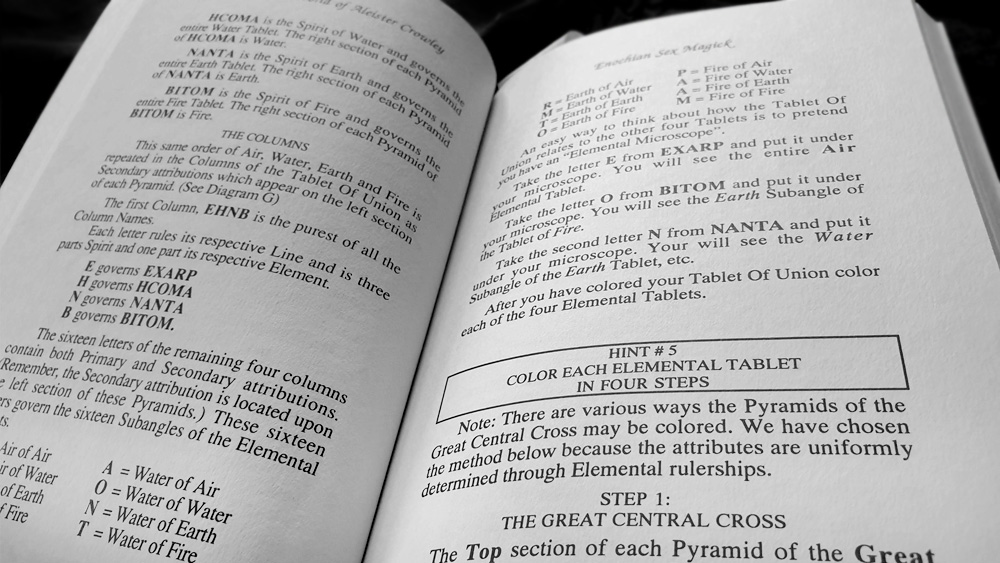
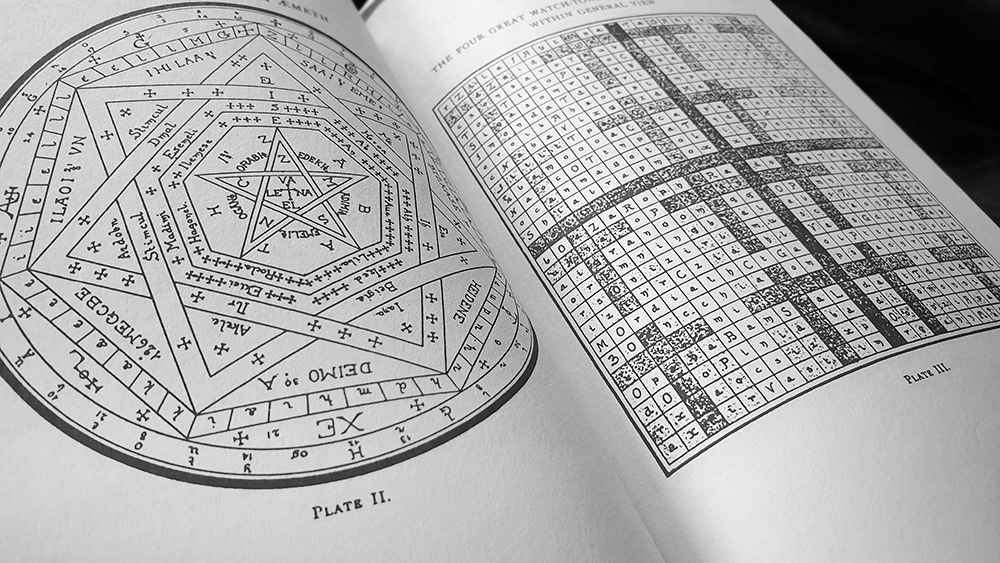
Enochian World of Aleister Crowley coverEnochian World of Aleister Crowley: Enochian Sex Magick is a seemingly ubiquitous title whose various editions are perpetually available through online book sellers. Principally written by Lon Milo DuQuette, the author credit for Crowley is due to the inclusion of Liber LXXXIV vel Chanokh from Volume I numbers VII and VIII of his Equinox periodical. This is reprinted in its entirety, images and all, with even the original plate numbering included. Lon Milo DuQuette is described on Wikipedia as being “best known as an author who applies humor in the field of Western Hermeticism” which explains the occasional attempts at badinage that one supposes is meant to be funny but which fall flat. This would suggest that comedy in occultism is in a pretty dire state, with nothing rising above the quip-heavy stylings that are characteristic of an uncle desperate for a laugh at a family gathering. The result is the appearance of humour but with none of the laughs; little aberrations that appear unbidden amongst otherwise conventional discussions, made all the more incongruous by their failure to land.
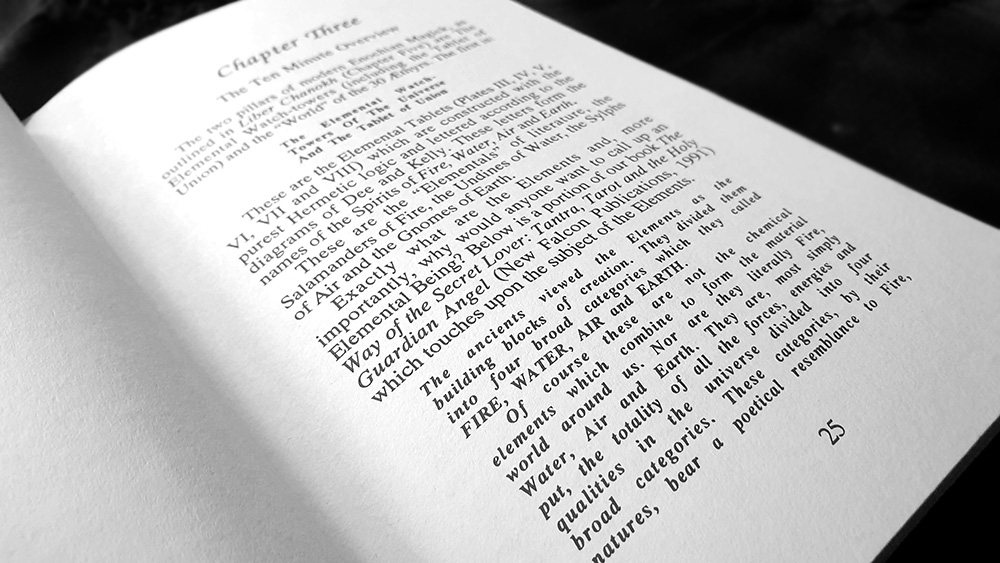
Without the inclusion of Liber LXXXIV vel Chanokh there wouldn’t be much to this book as it is effectively a reprint of that liber with DuQuette providing a preamble that he refers to as a ten minute overview, introducing the text and trying to simplify it with some added context. The sex magick promised in the book’s title is not incorporated into this early section, nor is it obviously in the reprint of Liber LXXXIV, but is instead tacked on at the end. First there’s an ever-so-brief chapter from DuQuette titled Divine Eroticism which introduces the idea of intimate relations betwixt the human and divine, and this is then followed by Christopher S. Hyatt’s Techniques of Enochian Sex Magick.

Enochian World of Aleister Crowley spread

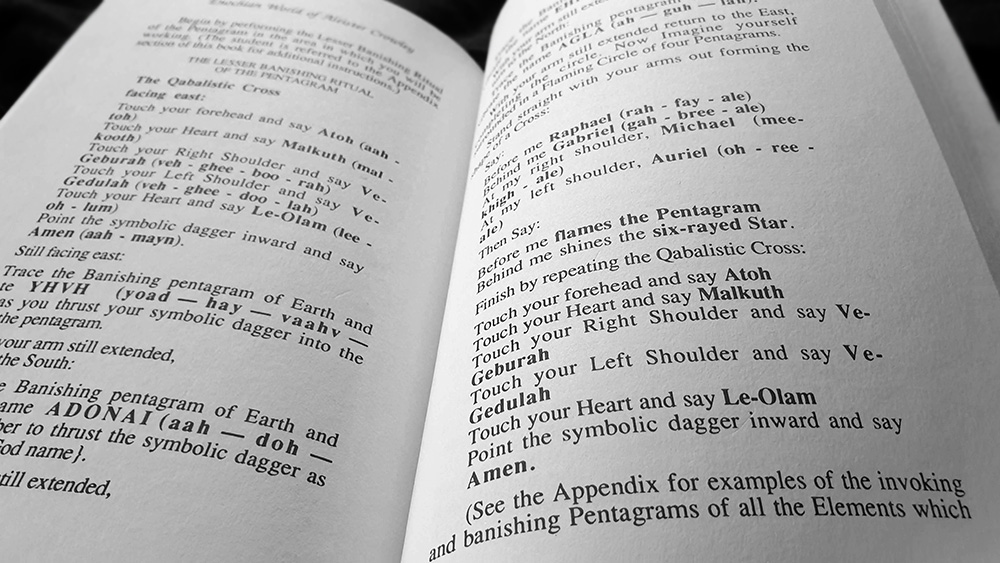
Finally, one might think, here we go, but you’d better tell that thought to slow down and stop rubbing its neural hands together because there’s not much here, and certainly little that is explicitly Enochian in the sex part. Instead, Hyatt presents a way to explore the Enochian aethyrs by doing the de rigueur Lesser Banishing Ritual of the Pentagram, reciting the Call of the 30th Aethyr and vibrating the names of the governors of the respective aethyr. With that done, you try and forget all about it by taking a sex break, and use the heightened state following climax to better visualise the imagined journey through the intended aethyr. There’s another procedure included here, a creation of a magickal child, but again, the Enochiana feels largely tacked on in a manner that anyone could have come up with. Despite the relative brevity of the book, this disappointing conclusion makes the journey through the preceding 108 pages feels so much longer; all this plodding through half-jokes and a reprint of someone else’s work for that?

Enochian World of Aleister Crowley spread

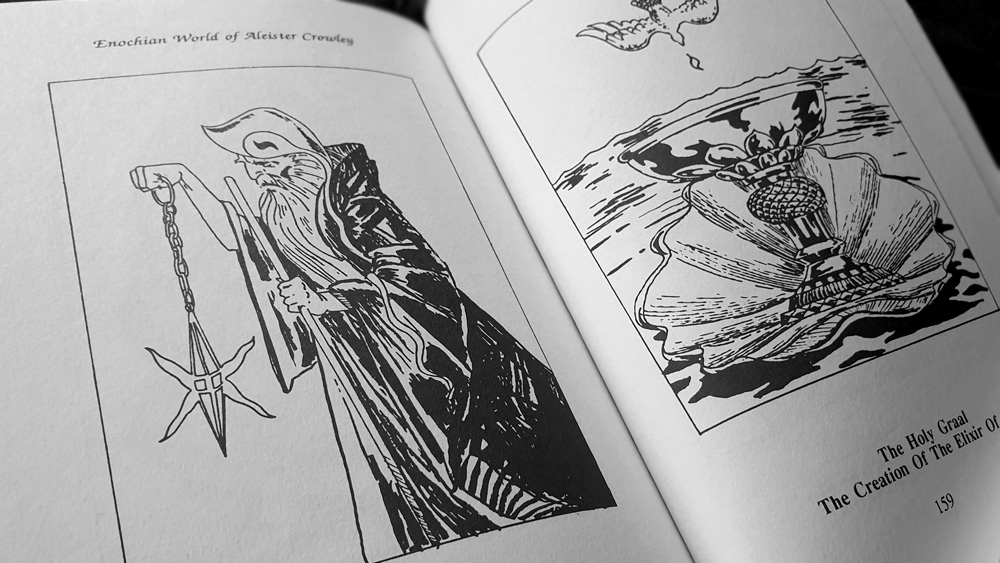
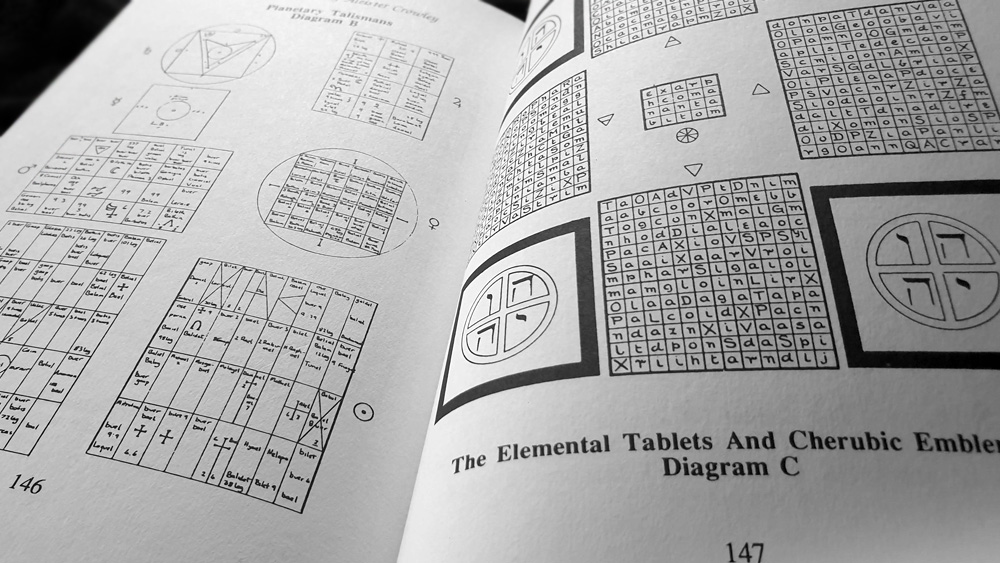
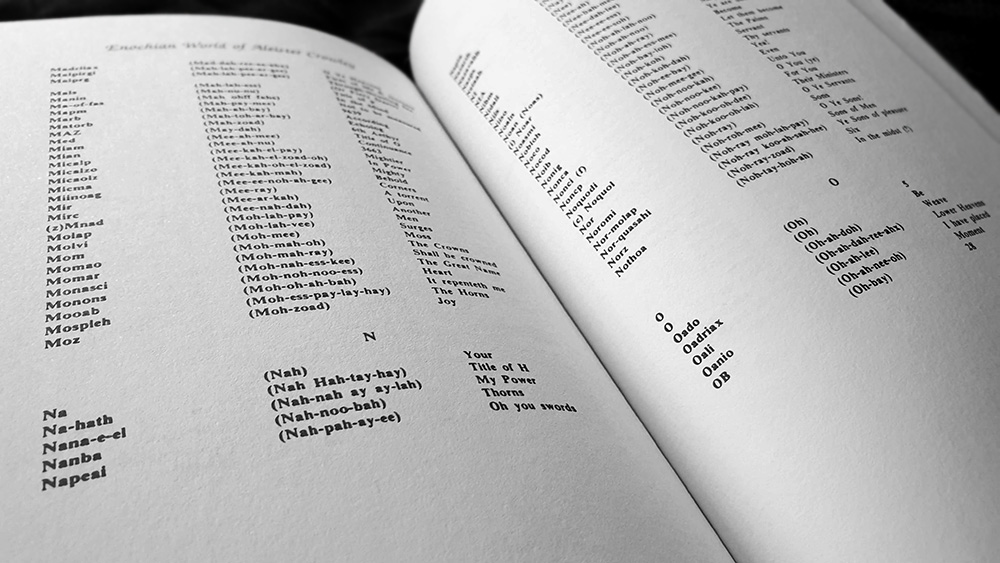
Enochian World of Aleister Crowley: Enochian Sex Magick concludes with more reprints, beginning with Israel Regardie’s Enochian dictionary (boosting the page count by 18, which is far more than Hyatt’s sex magick contributions), followed by Crowley’s Lesser Ritual of the Hexagram because at this point, sure, why not? Then there’s an appendix of the various Enochian ritual diagrams such as the elemental tablets and the tablet of union, but also a hand-drawn reproduction of the Seven Ensigns of Creation that is rendered so small as to be unreadable, making its inclusion entirely useless. Oh, and just for good measure, two pages are spent on reprints of the diagrams of the body postures used in the Golden Dawn’s operations: the neophyte signs, the signs of elemental grades, and the four L.U.X. signs, because anything will do to push that page count.

Enochian World of Aleister Crowley spread

There is one final padding of the page count at the end of the book which is referred to grandly as Sex Magick Symbols. But this merely consists of eight full-page illustrations crudely rendered in something resembling the style of ballpoint pen heavy metal doodles on a teenager’s exercise book. The creator of these images has illustrator credits in two other repeatedly-republished New Falcon titles, so well done, I suppose.

Enochian World of Aleister Crowley spread

The copy of the book reviewed here from 2006 inconceivably represented its sixth printing since 1991, and there have been, for reasons unexplained, even more pressings since then. The covers of some earlier editions are sans both the promise of “Enochian Sex Magic” in the title, and the credit to Christopher S. Hyatt, despite the content being there, while a 2021 edition employs a new twist on the title with the awkward Enochian Sex Magic and How to Workbook which also bears a promise of “Brand New Material by Lon Milo DuQuette.” With the slight nature of this volume, and given that so much of those pages are the reprint of Crowley’s Liber LXXXIV vel Chanokh and DuQuette’s preamble describing what is in Chanokh, it is hard to understand what warranted this constant reprinting, other than an ongoing income stream due to its low effort and low overheads.
Enochian World of Aleister Crowley spread

Enochian World of Aleister Crowley: Enochian Sex Magick runs to a mere 162 pages, with a large chunk of this being the reprint of Liber LXXXIV vel Chanokh and its related ephemera. As with seemingly all New Falcon titles, the presentation is ugly and graceless with formatting that is all over the place. Typesetting choices reflect the aesthetics of entry-level desktop publishing of decades ago, with little hierarchy or sense of élan or care. Almost everything is formatted in Times New Roman set at a point size that is too large, accompanied by equally generous indents that are permanently set to ‘on,’ irrespective of the paragraph type or the contents. The only typographic contrast is provided by a cheap cursive that is used for chapter headings, while block quotes are frustratingly rendered in a bold italic type whose heavy weight and the superfluous space from excessive leading and full justification conflicts with its markedly smaller point size. Typographic chaos abounds due to the surfeit of short sentences with the far too severe idents, further compounded by some of them featuring numbers but not being formatted as numbered lists. Such clutter. This carelessness is particularly evident in the typesetting of something as complicated to format as Liber LXXXIV vel Chanokh, especially when it is contrasted with the effortless class and refinement of the text’s original rendering in Equinox.

Enochian World of Aleister Crowley spread

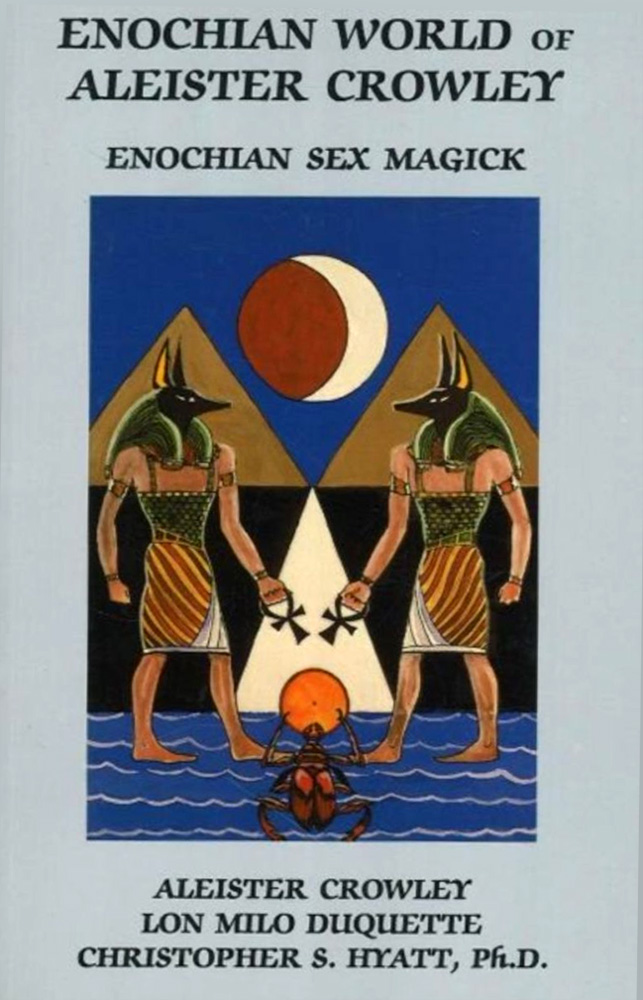
The cover art for the printing reviewed here, and in some of the other early editions, uses an inexplicable painting of an Egyptian scene with twinned ankh-wielding Anubis in front of a moon, rather than anything remotely Enochian. This painting is credited to S. Jason Black, who is described on the Falcon Press website as a “professional psychic, much sought after for his accuracy…” neat, though they are apparently less concerned with being accurate when it comes to creating Enochian cover art in which wild Anubi appear. Other editions have used various images of Crowley or Enochiania as the cover art, one and supposes that we should be just grateful that some of them haven’t taken the sex magick theme and ran with that.
Enochian World of Aleister Crowley spread

Published by New Falcon Publications
by

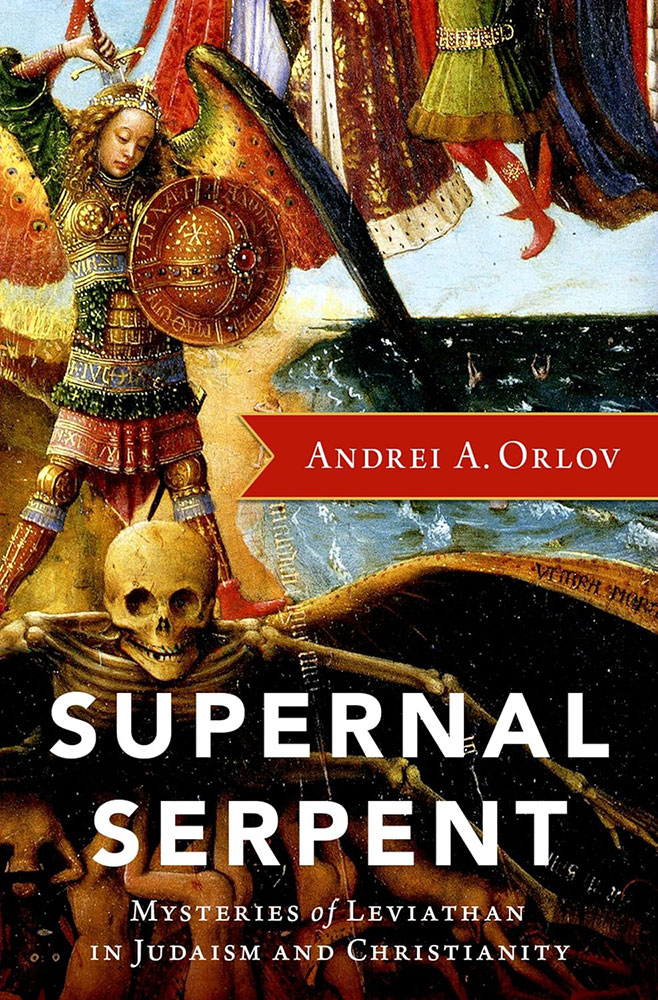
Supernal Serpent: Mysteries of Leviathan in Judaism and Christianity – Andrei A. Orlov

No comments yet

Categories: mesopotamian, qabalah, typhonian, Tags:

Supernal Serpent coverIn the previously-reviewed Demons of Change, Andrei A. Orlov devoted one of his chapters to the idea that the sash worn by the Hebrew High Priest symbolised Leviathan, participating in a sub-microcosmic representation of the cosmos that also mirrored the microcosmic design of the temple at Jerusalem. That relatively slight chapter touched on the cosmological and eschatological qualities of the primordial serpent, but here, in Supernal Serpent, Leviathan receives the full-length hardback treatment with an extensive study that includes both Judaism and Christianity. As is Orlov’s wont, though, the lens for this endeavour is provided by the Slavonic recension of The Apocalypse of Abraham, a pseudepigraphon, written sometime in the first or second century CE that acts as a frequent touchstone for him. It is genuinely remarkable how much material Orlov has managed to generate using The Apocalypse of Abraham as his source, with the aforementioned Demons of Change drawing strongly from it in its consideration of demonic and angel antagonism, while two earlier, but as yet unreviewed, titles, Dark Mirrors and Divine Scapegoats, both drew on the pseudepigraphon for their assessment of Satanael. This approach is particularly evident in how although the apocalypses’ references to Leviathan are so slight, something that could have been missed in passing, Orlov is able to use these cosmological gems as a gateway into far wider explorations.
Orlov divides this supernal serpent into just five parts, the first of these chapters opening with a discussion of Leviathan’s theophany, using as its thematic seed a scene in the Apocalypse of Abraham in which the patriarch experiences a cosmogonic vision. Gazing downwards, Abraham sees the earth and the underworld below him, seemingly created as a mirror of heaven, with Leviathan identified as a foundation upon which this world lies: “Leviathan and his domain, and his lair, and his dens, and the world which lies upon him, and his motions and the destruction of the world because of him.” Orlov seeks confirmation of this distinctive imagery in the biblical book of Job, addressing not, for now, the idea of Leviathan as a cosmological force but rather as a divine one, a mirror of God with whom he seems to share theophanic characteristics. In Job and in later mystical Jewish and accounts rabbinic speculation, Leviathan appears not simply as a monstrous creature but a numinous one, a being of aureate light and luminescence, breathing fire and exhaling smoke (attributes associated with gods throughout the Levant).

Supernal Serpent spread

The cosmic centrality afforded Leviathan in the Apocalypse of Abraham provides the basis for the second chapter’s discussion on his role as the Axis Mundi. Despite the brevity of references to this function in the apocalypse, this is one of the longer chapters as Orlov is able to find similar axial concepts in a range of literatures, including direct biblical accounts, Enochic material, Islamic tradition, Rabbinic speculation, and later Jewish mysticism, including the Zohar. Some directly relate to Leviathan, whilst others reference similar antediluvian figures, such as Behemoth, the Watchers (who in the Book of the Watchers are punished by becoming pillars of cosmic stability), and Satan (who in the Slavonic apocryphal text About All Creation, is tied to a cosmological pillar made of adamantine). Orlov expands this theme into a broader consideration of Leviathan’s cosmological and topographical role, documenting the multitude of textual examples in which this is discussed, including, albeit briefly, instances in which the tellurian waterways associated with the dragon are envisioned as avenues for the transmission of energies from the Sitra Achra.

In chapter three, Orlov turns to a different section of the Apocalypse of Abraham to consider the relationship between Leviathan and Yahoel, an angelic protagonist who defines his raison d’être as being to “rule over the Leviathans, since the attack and the threat of every reptile are subjugated to me.” Before getting directly to Yahoel, Orlov uses this quote to reiterate the idea of multiple Leviathans, or instances in which Leviathan is twinned with some other creature such as Behemoth; some in contrasting gender designations as apocalyptic-incepting mates, but others not. As a theme that was touched on earlier in the general discussion of Leviathan’s theophany, this can feel, depending on degrees of severity, either slightly familiar or very repetitive, especially as many of the previous sources are requoted again in their entirety. Orlov compares Yahoel’s function in opposing Leviathan to similar antagonistic pairings in West Asian mythology (Marduk and Tiamat, Baal and Yamm), before drawing comparisons with his angelic brethren Raphael and Gabriel. The final and most complete comparison is with God himself, as Yahoel’s victorious function mirrors that found in the words of the Psalmist, where Yahweh is depicted complete in his victory over Leviathan or its analogues such as Rahab. This is made all the more striking by Yahoel appearing to effectively be a hypostasis of Yahweh, identifying themselves explicitly as “a power in the midst of the Ineffable who put together his names in me;” something which can be seen in the name’s combination of two theophoric elements, yah- and –el.

For his fourth chapter, Leviathan and the Temple, Orlov returns to the theme briefly touched upon in his book Demons of Change: the symbolism of the macrocosmic Leviathan hidden in the architecture and costumes of the microcosmic sacerdotal. As one can imagine, this consideration is pretty light on explicit corroborative examples, so instead, this chapter spends the bulk of its time returning to ideas of Leviathan’s cosmological function, as well as broader ideas of temple symbolism as emblematic of an intersection betwixt the macrocosmic and the microcosmic, such as the veil that protects the Holy of Holies, or the Foundation Stone upon which the temple was built. Leviathan plays a role here in some interpretations of the Foundation Stone, but can also be found in instances in which the primordial waters and their encompassing of the world are represented in sacramental architecture, such as the outer courtyard of the cosmological temple.

Supernal Serpent spread

Orlov concludes with his fifth chapter, titled somewhat enigmatically, but intriguingly, Leviathan and the Mysteries of Evil, which shows how Leviathan was not simply a figure of monstrosity and antagonism but a source of knowledge. For darker-inclined occultists, this makes for interesting reading, with Orlov providing a whole raft of examples in which interactions with Leviathan are effectively attempts at acquiring knowledge from the Sitra Achra, often through an abyssal or chthonic descent. As a theophanic figure who mirrors the divine in power and incomprehensible glory, Leviathan acts as an encapsulation of numinous mysteries, be it as a eschatological sacrament (whose flesh is eaten by the righteous in the end times), or as an embodiment of the cosmos, the knowledge of which gives insight into the mysteries of creation. Events such as Jonah’s experience in the belly of the whale, the lifting up of the Nehushtan serpent of bronze by Moses in the Book of Numbers, the baptism of Jesus in the river Jordan, and Abraham’s subterranean descent in his eponymous apocalypse, as well as many others, each acts as a piece of this puzzle, one which, when viewed in concert, makes for a convincing case. Most striking is the suggestion that the extensive description of Leviathan’s characteristics and dimension given in the book of Job provided an inversion of Shi’ur Qomah inspired mysticism (in which the measurement of God’s divine body act as a source of meditation), allowing one to use the great dragon in a similar fashion.

Supernal Serpent spread

This is a book with much to recommend it, especially in its treatment of Leviathan as a source of wisdom. Orlov effortlessly navigates his source texts, always finding prior speculative or  textual confirmation for each interpretation. Supernal Serpent runs to 347 pages and is hardbound with a beautiful dustjacket designed by James R. Perales that incorporates a detail of St. Michael from Jan van Eyck’s Crucifixion and Last Judgement diptych. The stock is a beautiful, slightly cream and pleasant to the touch, with text effortlessly but practically formatted in comfortably leading and tracking for ease of reading.

Published by Oxford University Press

by

Myths of Wewelsburg Castle – Edited by Kirsten John-Stucke and Daniela Siepe

No comments yet

Categories: esotericism, germanic, music, satanism, Tags:

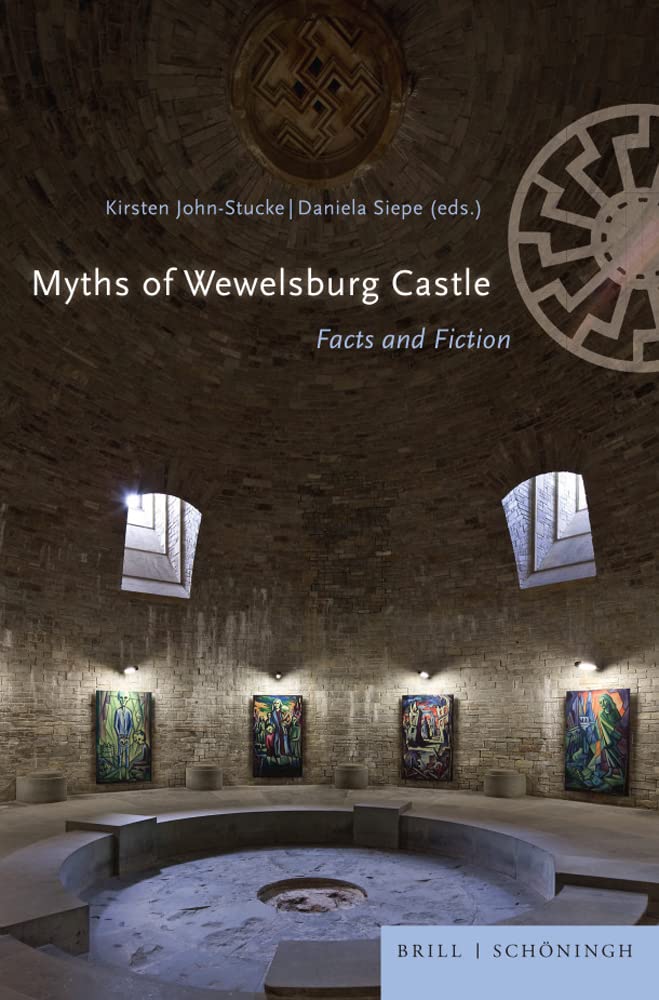
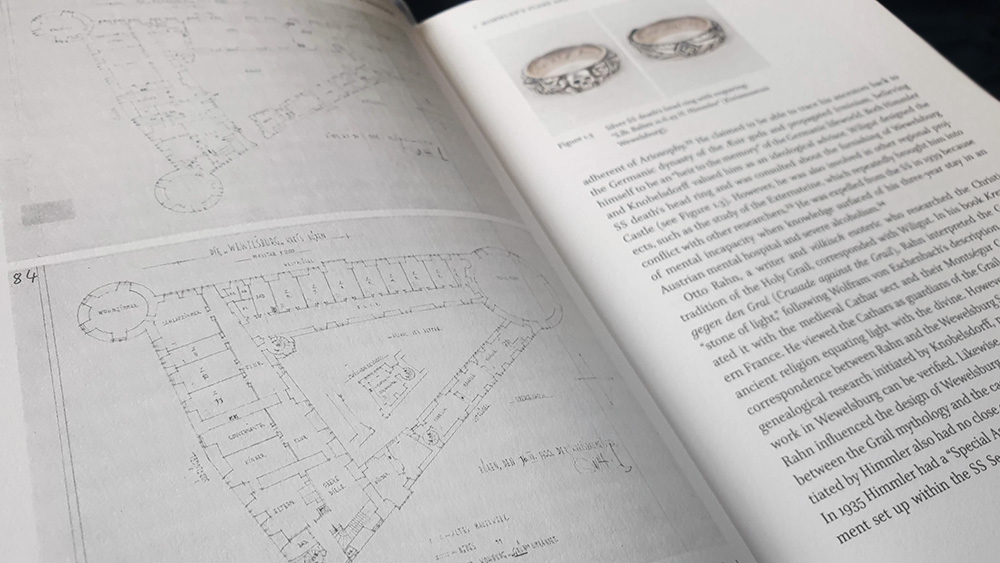
Myths of Wewelsburg Castle coverIn the Landkreis of Paderborn in the northeast of North Rhine-Westphalia, Germany, stands Wewelsburg, a castle that dates to the seventeenth century and which gained notoriety in the aftermath of the Second World War due to its use by Heinrich Himmler as a base and school for the Schutzstaffel. To ensure its function, the castle was redesigned with décor in line with the aesthetics of the SS. Particularly evocative, and a significant factor in the enduring legacy of the schloß as a symbol of Nazi occultism, was the floor of the Obergruppenführersaal in the castle’s North Tower, into which a twelve-armed Sonnenrad (sun wheel) was set in a dark green marble. In Myths of Wewelsburg Castle, editors Kirsten John-Stucke and Daniela Siepe are joined by three other writers (Frank Huismann, Eva Kingsepp, and Thomas Pfeiffer) in presenting a variety of considerations that, for the most part, are less about the material schloß itself and instead focus on how it and the so-called Black Sun symbol in the Obergruppenführersaal have been represented in popular culture, and in occultism and right-wing conspiracy theories.

Due to the savvy sequencing of articles and a cast of just five contributors, Myths of Wewelsburg feels less like an anthology and more like a single work in which the individual authors tag in and out. There is a coherence here, and very little redundancy, which is no doubt helped by Siepe providing five of the twelve entries, and John-Stucke putting her hand to three.

Myths of Wewelsburg Castle spread

It is John-Stucke who opens the proceedings with the historical grounding of Himmler’s Plans and Activities in Wewelsburg, setting out the nuts and bolts of the schloß and its renovation during the Third Reich. Siepe follows this introduction with a triad of articles discussing the place of Wewelsburg in various forms of popular culture, beginning with the questioning The “Grail Castle” of the SS? in which she tracks the creation of legends about the schloß in scholarly and popular-science literature. This is a weighty piece, looking at how the theory that Himmler chose Wewelsburg as a grail castle developed over half a century following the Second World War, despite there being little evidence for it. Siepe is very thorough here, analysing each book in the oeuvre, tracking the accretion of ideas and how one author would build upon the other, until an almost unassailable idea emerged of Wewelsburg as a Grail Castle hosting Himmler’s new order of Teutonic Knights, and in some cases, housing the recovered grail itself. What is particularly interesting here is that many of these books are ostensibly historical, not speculative conspiracy fodder, and yet Siepe shows how unverified and often self-replicating speculation just churns through this oeuvre, adding grist to an often uncritical mill.

Myths of Wewelsburg Castle spread

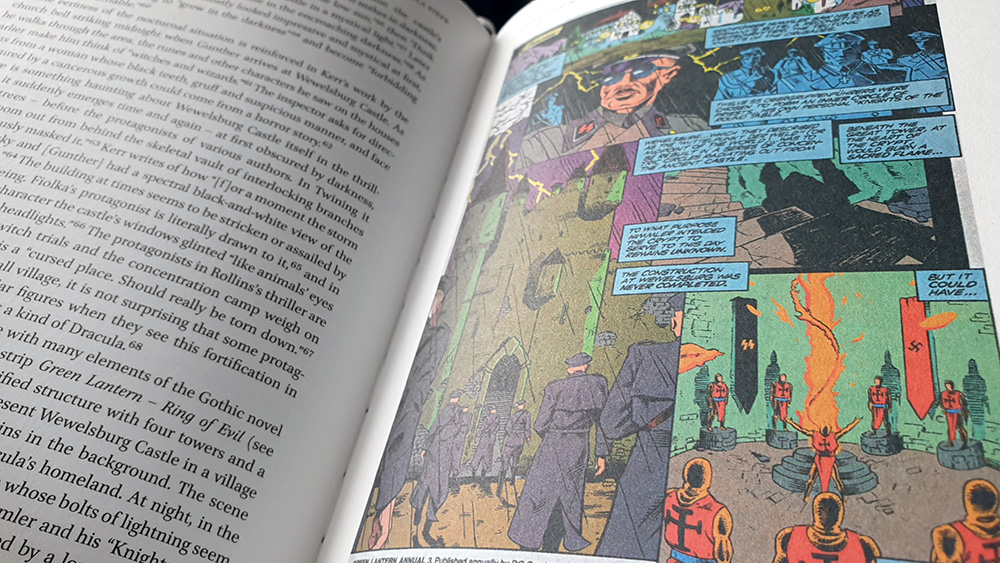
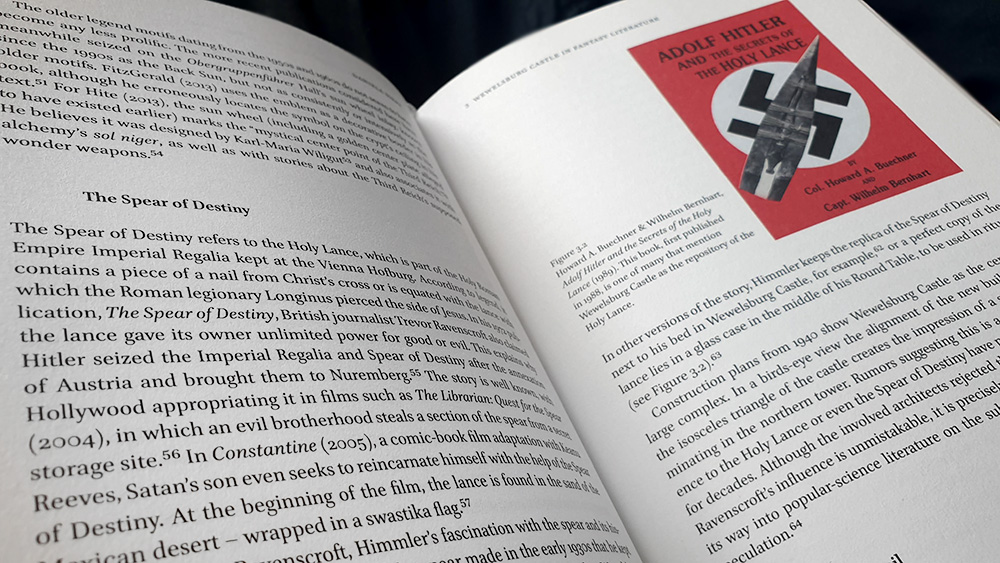
Siepe continues this vein in the next two chapters, discussing the appearance of Wewelsburg in fantasy literature for the first chapter, and in thriller novels and comics by for the second. What Siepe calls fantasy literature is not perhaps how the authors of such books would describe their work, as what is discussed here is the genre of National Socialist occult history, which is often presented as true, albeit hidden. There’s Louis Pauwels and Jacques Bergier’s Le Matin des magiciens, Trevor Ravenscroft’s The Spear of Destiny, and heirs like Howard Buechner (who Siepe delightfully describes as being seemingly “motivated by the pure pleasure of fabrication”). When turning to novels and comics, Siepe notes how in so many of these types of fiction, Wewelsburg and its inhabitants take on an 18th century Gothic quality, with the schloß being depicted like a looming and intimidating source of terror or intrigue, worthy of Bram Stoker or Mary Shelley. As befitting such a locus of dread atmosphere, protagonists often arrive at Wewelsburg during the night or in bad weather, with the castle exuding some unspeakable menace. This is despite Wewelsburg’s Weser Renaissance architectural style, with its ornately decorated gables, being more aristocratic than eerie, more fairy tale than fear-y tale. To match the vibe in such works, the inhabitants of the schloß invariably take on gothic roles, Himmler as a dark lord, part magician part mad scientist, with the soldiers of the SS as soulless dark knights meeting in crypts, performing rituals.

Myths of Wewelsburg Castle spread

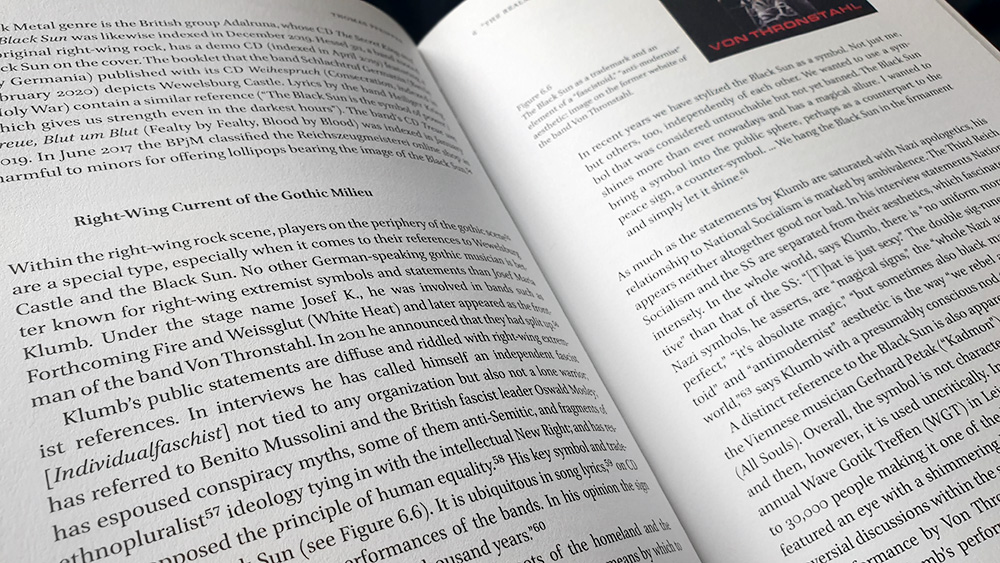
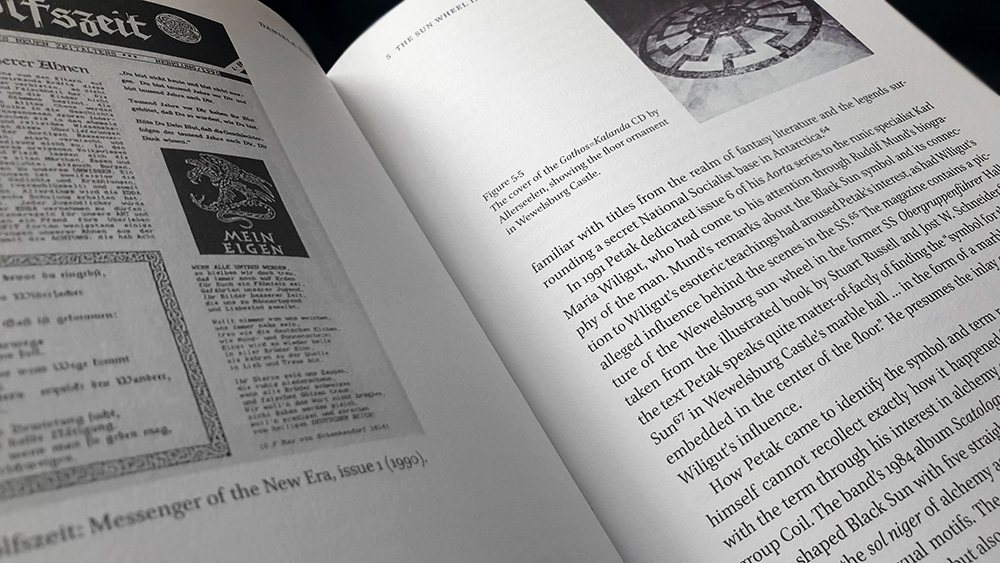
Matters now move into areas more esoteric and occult, beginning with another essay from Siepe, this time tracing the use of the so-called Black Sun floor design in the Obergruppenführer Hall; a designation that doesn’t seem to predate the end of the Second World War. Given the role of the sol niger in alchemy, and just how cool an inverted sun seems, this is an attractive association in esoteric circles, where the idea particularly flourished in the intersection betwixt speculative fiction, conspiracy theories and National Socialist remnants. Siepe gives a history of the symbol of the Black Sun as an overall concept in esoteric Hitlerism unattached to Wewelsburg, beginning with the Landig Gruppe formed in the 1950 by former Austrian Waffen-SS members Wilhelm Landig and Rudolf Mund. Incorporating ariosophical ideas from pre-Nazi völkisch movement such as Atlantis and the World Ice Theory, the Landig Gruppe developed the myth of polar Nazi survival in which the Black Sun was a mystical source of energy capable of regenerating the Aryan race. These ideas were promulgated by Landig between the 1970s and 1990s with a trilogy of Thule novels, which were then expanded upon by the pseudonymous Russell McCloud in the 1991 novel Die Schwarze Sonne von Tashi Lhunpo, in which the identification of the Black Sun with the design in the Obergruppenführer Hall was made explicit. 1991 also saw the Wewelsburg design being referred to as a Black Sun by Gerhard Petak (AKA Kadmon) of the industrial project Allerseelen in his Aorta series of esoteric chapbooks, in which he presumed its presence in the schloß could be traced to the influence of Karl Maria Wiligut. Petak was already familiar with the broader symbolism of the Black Sun from alchemy and from Coil’s 1984 album Scatology, the mention of which here does lead to the inclusion of this amusing non sequitur “The subsequent CD release of Scatology showed not only the Coil star but also a naked buttocks.” Love that indefinite article.

Myths of Wewelsburg Castle spread

Thomas Pfeiffer continues this exploration of the Obergruppenführer design in The Realm of the Black Sun, here focussing on its use as a proxy identifier by contemporary Right-Wing movements in Germany (where it is not legally prohibited in the way that more direct Nazi emblems are). In tracing the use of the Black Sun in Right Wing extremism, Pfeiffer does cover some of the same territory as Siepe, particularly in regards to the Nazi Occult speculative fiction of Landig and McCloud, but most of what is discussed here are examples of its appearance amongst right wing groups and also, briefly, in neofolk and other goth-adjacent subcultures. Landig also warrants a mention in Frank Huismann’s essay Of Flying Disks and Secret Societies: Wewelsburg and the “Black Sun” in Esoteric Writings of Conspiracy Theory, as do Pauwels and Jacques Bergier, of course, and other writers such as Norbert Jürgen-Ratthofer and Ralf Ettl of the Tempelhofgesellschaft, and Chilean esoteric Hitlerist and diplomat, Miguel Serrano.

Myths of Wewelsburg Castle spread

Matters of particular interest to readers of Scriptus Recensera can be found in Siepe’s Esoteric Perspectives on Wewelsburg Castle: Reception in “Satanist” Circles, where she exhaustively documents the importance given to the schloß by occultists, in particular, Michael Aquino of the Temple of Set, and Nikolas and Zeena Schreck of, well, lots of different groups at different times. Aquino was a bit of a pioneer in this regard, having written the article That Other Black Order in The Cloven Hoof whilst still a member of the Church of Satan in 1972. A decade later he visited the castle and undertook what he would call the Wewelsburg Working in the crypt, a ritual in which he called upon the powers of darkness and founded the Order of the Trapezoid, a suborder of the Temple of Set. Siepe includes a photo of Aquino standing in the crypt, something which is then echoed pages later with an image of Zeena LaVey in the same spot from 1998, taken when she, Nikolas Schreck and other then-Setians also performed a ritual in the crypt. Throughout this essay, Siepe is thorough and generous in discussing the intent of the Setians in visiting Wewelsburg, drawing on many references for a comprehensive overview where it would be so easy to simplify and scandalise. What is also of interest in this essay are briefer discussion of two lesser-known occult groups who attach some significance to Wewelsburg, both of which emerged from a German grotto of the Church of Satan: the Ruhr-based Circle of Hagalaz, and the Swiss Ariosophical-indebted Schwarzer Orden von Luzifer (founded in 1999 by Satorius of the metal bands Amon, and Helvete/Mountain King).

Myths of Wewelsburg Castle spread

Eva Kingsepp follows with two essays concerned with film, the first of which, Wewelsburg Castle, Nazi-Inspired Occulture, and the Commodification of Evil, considers the spectre of returning Nazis. The two variations of this trope add a little twist to the act of Nazi recrudescence, not merely reappearing but taking on new enhanced forms: Space Nazis and Zombie Nazis; as seen in the movies Iron Sky and Outpost respectively. In her second essay, Factual Nazisploitation: Nazi Occult Documentary Films, Kingsepp gives a brief survey of the stylings of exploitative documentary films about Nazi occultism, in which she lays out common structural elements, often of the lazy and gauche type. She gives a few examples, however it’s all over too quickly, as if she’s just getting started but was called away.

Symbolic Bridges Across Countries and Continents: The “Black Sun” and Wewelsburg Castle in International Right-Wing Extremism by Thomas Pfeiffer is the final full essay here and returns to his concerns with right-wing movements. He traces the appearances of the Black Sun, noting in particular examples of violence (such as the 2019 mosque attacks in Christchurch, the attack in Halle an der Saale in the same year, and the 2017 Unite the Right rally in Charlottesville), as well as its use by groups such as Chrysi Avgi in Greece, Atomwaffen Division, and the Azov Regiment in Ukraines.

Myths of Wewelsburg Castle spread

In lieu of a conclusion, Myths of Wewelsburg ends with Current Tendencies Concerning the Myths of Wewelsburg Castle by Kirsten John-Stucke, which with its couple of pages mentions a few bits not covered elsewhere in what is a thorough work with something to appeal to almost everyone, whether you come to the subject from an esoteric, political, historical or conspiratorial place. Myths of Wewelsburg is a substantial volume, coming in at a little over 300 pages of quality paper stock and bound in a sturdy hardcover with a handy cloth bookmark. It is illustrated thoroughly throughout, with many of the in-body images, particular exemplars from pop culture, in full colour, making it admirably comprehensive.

Published by Brill

1 2 3 4 5 21 22